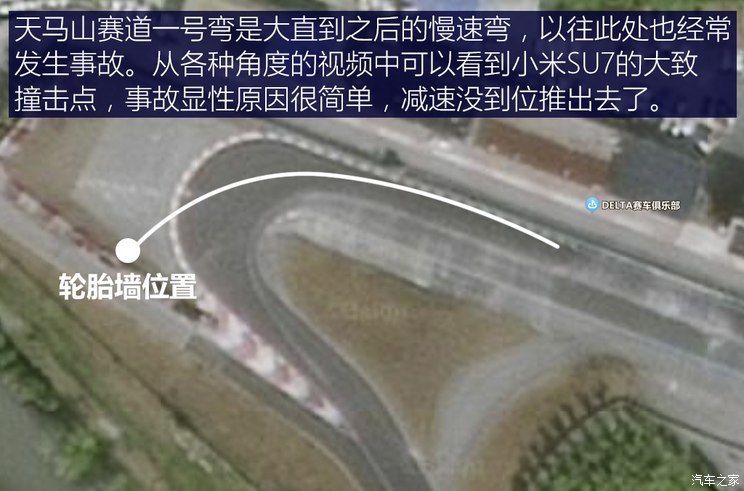
Recently, a video broke out on the Internet, and Xiaomi SU7 (parameter | inquiry) rushed out of the track and hit the guardrail while driving at the tianmashan circuit. According to the account of the parties on social media, the brakes of the vehicle were suspected to be attenuated before turning, but fortunately, the accident was not serious, the body structure was still intact and the people on board were safe and sound. Because the vehicle in this accident is Xiaomi SU7, which has just been listed, it has aroused great concern and extensive discussion on the Internet, and there are also different opinions on the cause of the accident. So how did all this happen?
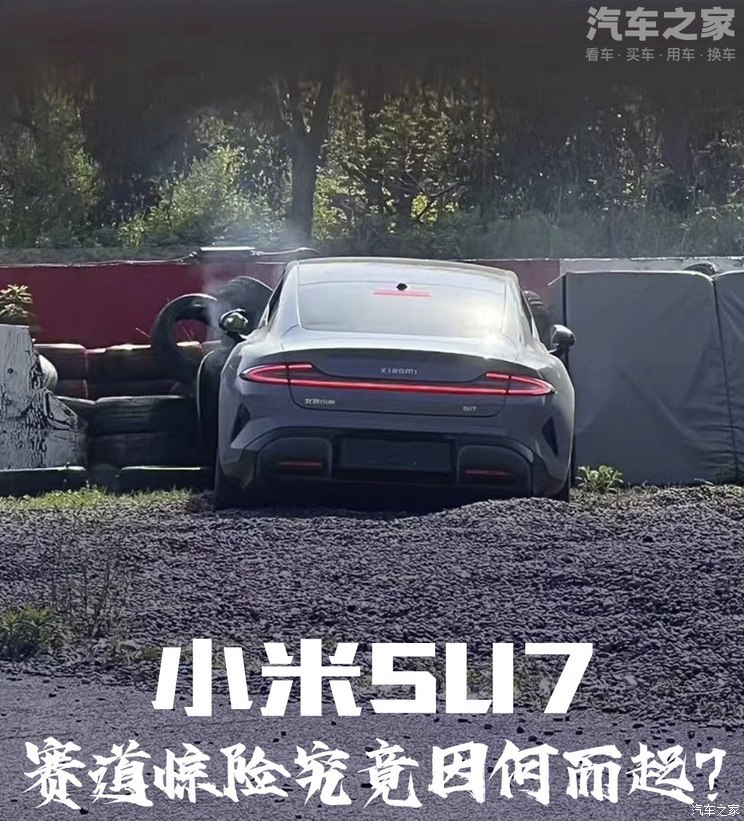
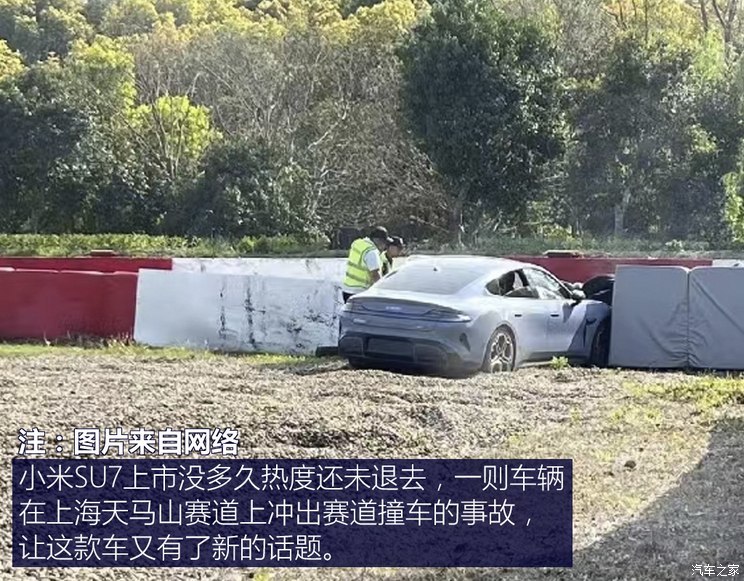
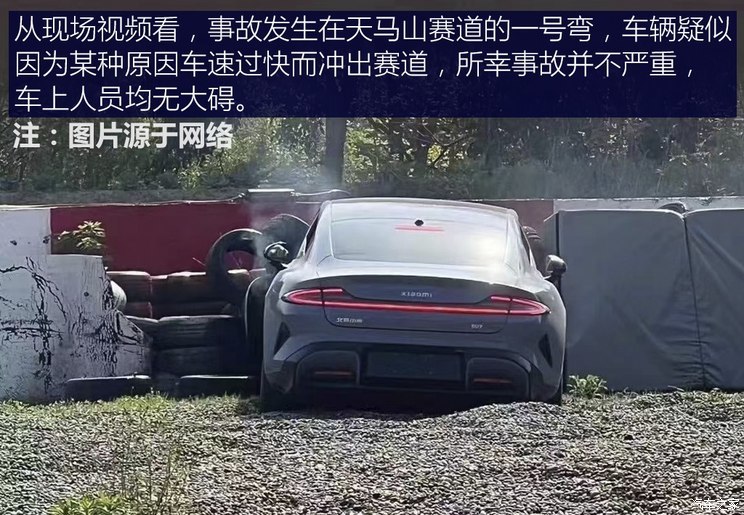
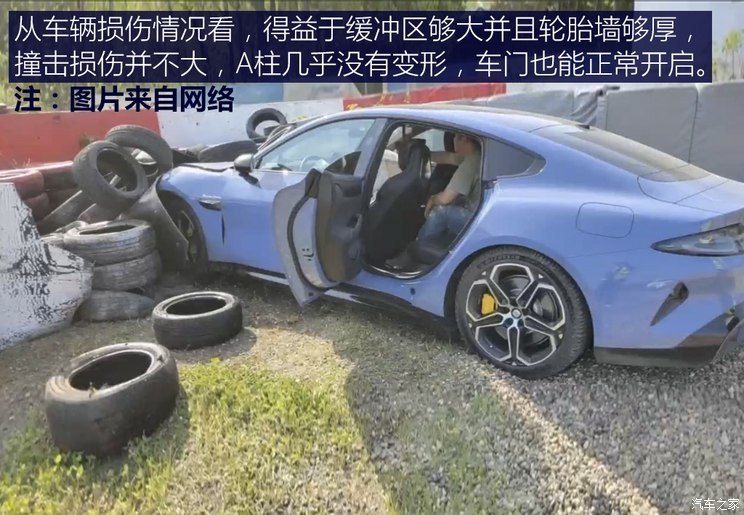
● How about visual safety? The accident was minor, the car was not damaged, and the personnel were safe.
First of all, let’s talk about safety. From the live video and pictures, we can easily see that the impact of the vehicle is not strong, and the thick tire wall is set on the outside of the corner, and the buffer area is large enough, so the main part of the car body can’t see any signs of deformation after the accident, and the four doors are almost unaffected. This is a minor accident on the track. If the collision impact is greater, the test of the strength of the body of Xiaomi SU7 has just begun.
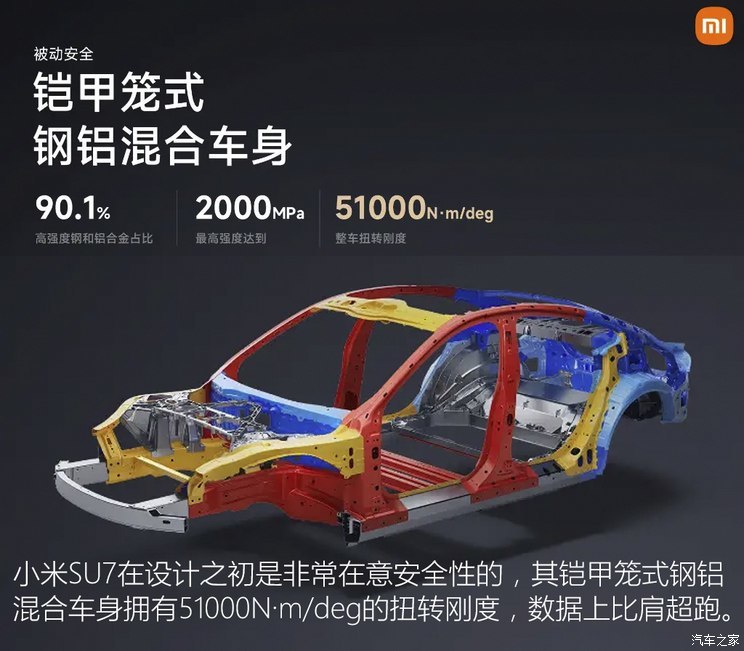
However, the passive safety design of Xiaomi SU7 car body is fairly comprehensive. The whole car adopts a cage-type steel-aluminum hybrid car body. The proportion of high-strength steel and aluminum alloy reaches 90.1%, and the torsional stiffness reaches 51,000 nm/deg, which is higher than that of the super sports car Bugatti Veyron (50,000 nm/deg). The battery beam and sill beam are made of 2000MPa ultra-high strength steel and ultra-wide multi-cavity extruded aluminum alloy, respectively, which can withstand the lateral impact up to 820kN.
We guess the cause of the crash.
Accidents that rush out of the track in corners are not uncommon, and there are many reasons, which may be caused by the driver’s improper operation and missing the braking point. Of course, some reasons of the vehicle itself are not excluded. As for whether there is a problem with the personnel factor or the vehicle’s braking system in this accident, we dare not jump to a conclusion until we have more information and an appraisal report issued by an authoritative organization. Aside from the driver’s improper operation, what factors may lead to the accident if we only explore the vehicle itself?
1. The driver is not familiar with the vehicle performance and misjudges the braking point.
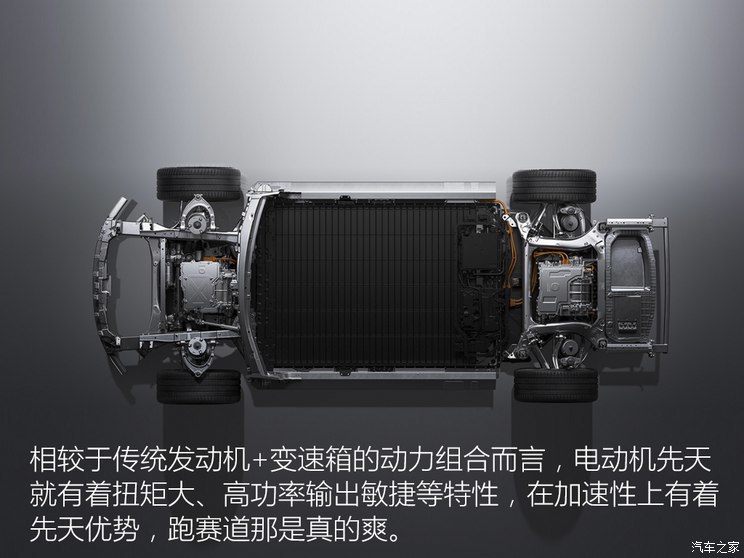
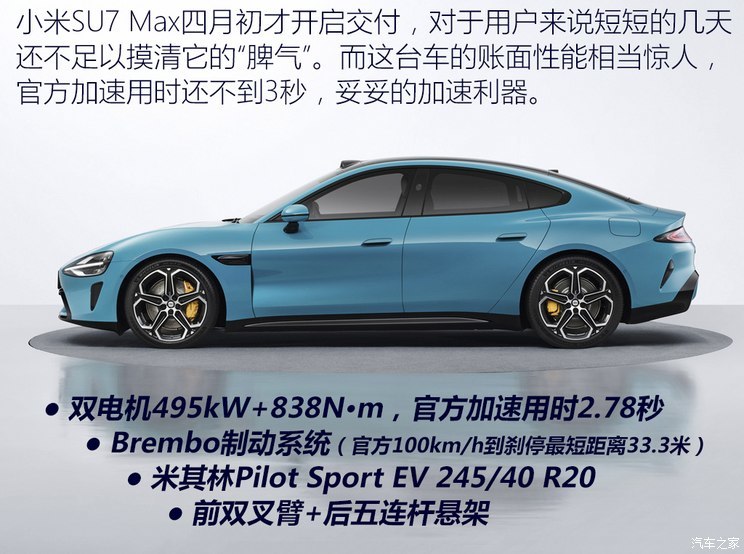
In terms of power output, the motor has high energy conversion rate, greater torque, and can output peak torque at the beginning of starting, which has inherent advantages in acceleration performance. Therefore, in tianmashan, a track with many bends and few straight roads, driving pleasure is higher than that of oil trucks. Xiaomi SU7 Max version is equipped with dual-motor four-wheel drive system, with amazing power parameters, and the officially announced acceleration time is only 2.78 seconds. However, compared with oil vehicles, electric vehicles also have an obvious disadvantage, that is, weight.
The curb weight of Xiaomi SU7 Max is as high as 2.2 tons. Even for BBA with four-wheel drive vehicles of the same level, their curb weight is mostly between 1.9 and 2.0 tons. The continuous high-load track conditions are a great test for the braking system of electric vehicles. At the same time, it should be noted that the delivery of Xiaomi SU7 was only started at the beginning of this month. Today, the time for users to get a new car is not long, and they are not familiar with the performance of the vehicle. There is a possibility that the brake point will be misjudged directly off the track.
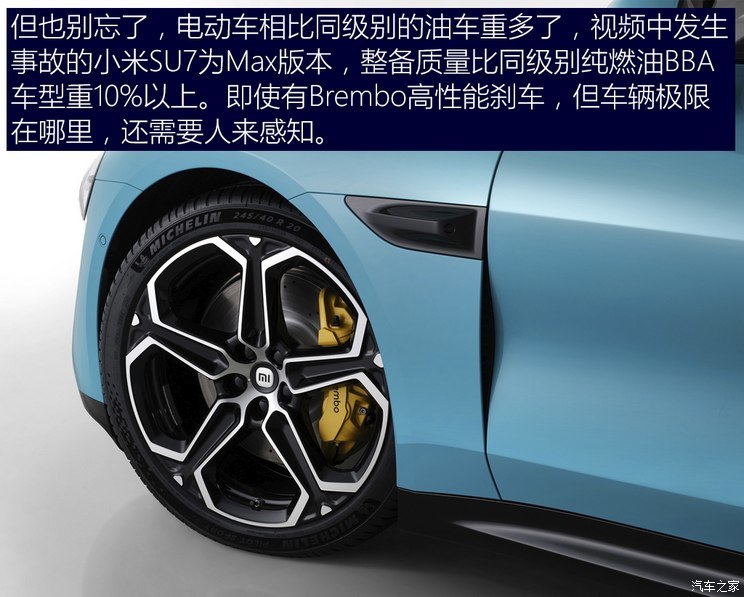
2. iboost’s Feet in Extreme Working Conditions
Xiaomi SU7 is equipped with Bosch DPB2.0 Decoupled Power Brake)+ESP10.0, which is a fully decoupled brake-by-wire scheme. The brake pedal and the brake system are not driven by the traditional mechanical scheme of brake pedal-vacuum booster-brake master cylinder-oil pressure. As the name implies, full decoupling means that there is no mechanical connection between the brake pedal and the brake, and the brake pedal is only responsible for inputting pressure signals, and the electric control system exerts pressure on the brake. If a node of the above link fails, it is possible that the situation mentioned in the chat record will happen. But before the inspection information of no authoritative organization is released, the above is just speculation.
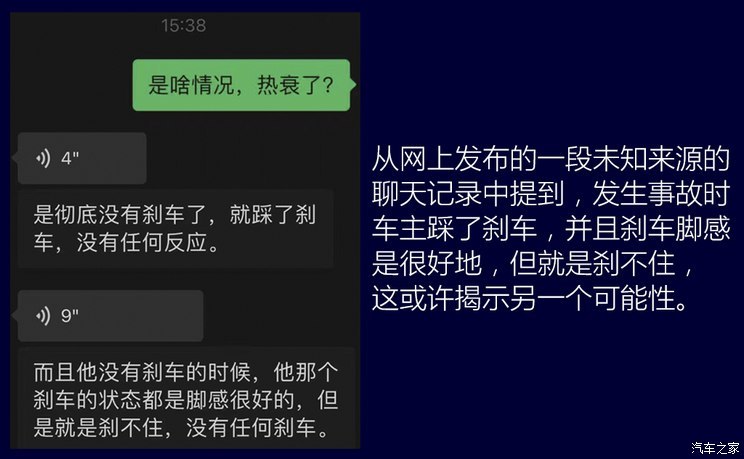
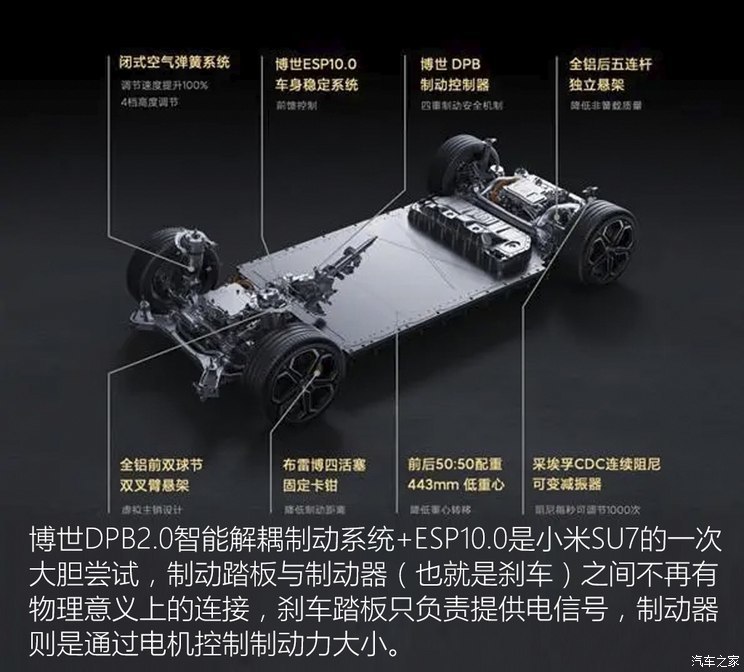
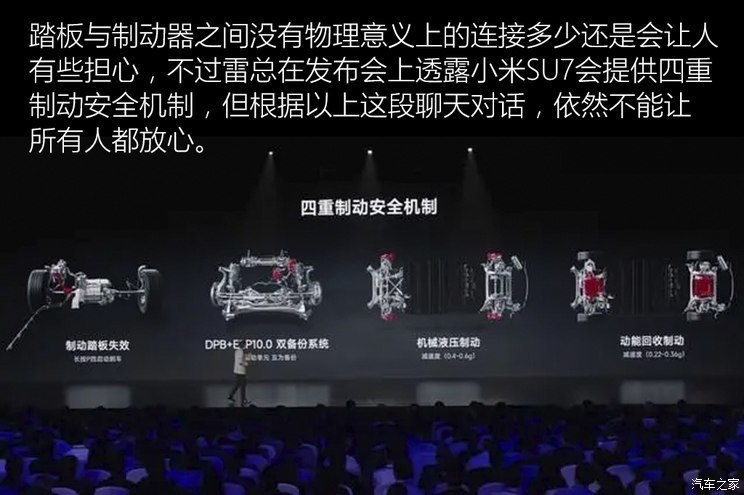
● How is Fe racing solved? The high-power kinetic energy recovery system can almost replace the brake.
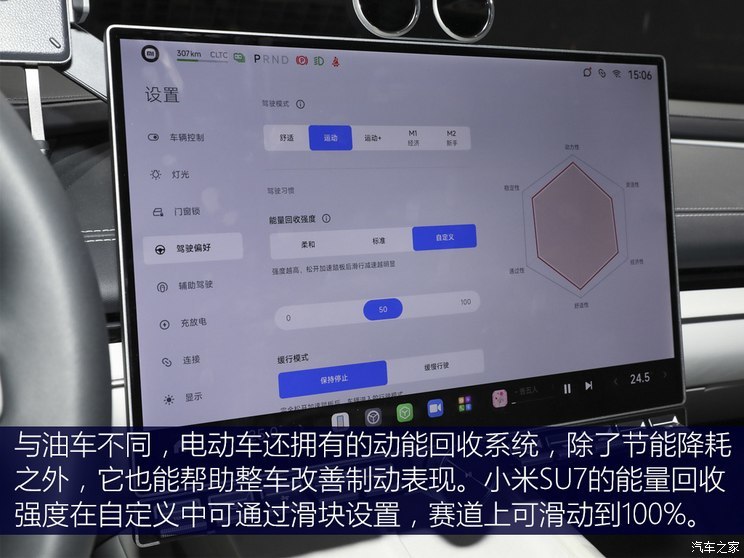
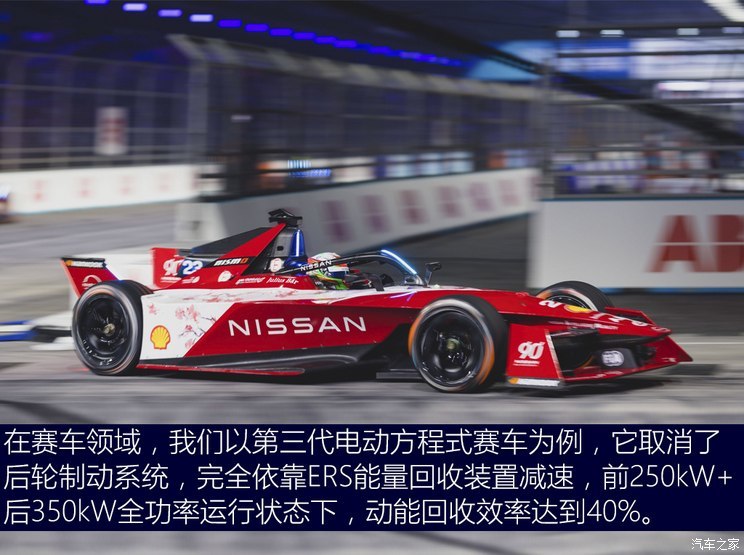
So for electric vehicles, how to deal with the track conditions? Let’s take a look at how the electric Formula FE racing car is made. In addition to the top-notch braking system, braking heat dissipation efficiency, aerodynamic design and special tires, it is also equipped with a kinetic energy recovery system called ERS(Energy Recovery System), which is installed in F1 racing cars (KERS), electric Formula FE racing cars, Le Mans and other racing cars. Take the electric Formula FE racing car as an example. At present, the ERS system of the third generation FE racing car adds a 250kW front motor for kinetic energy recovery on the basis of the original 350kW rear drive motor of the second generation racing car.
● High-performance tram solutions in the industry: the maximum kinetic energy recovery power has risen to 400kW.
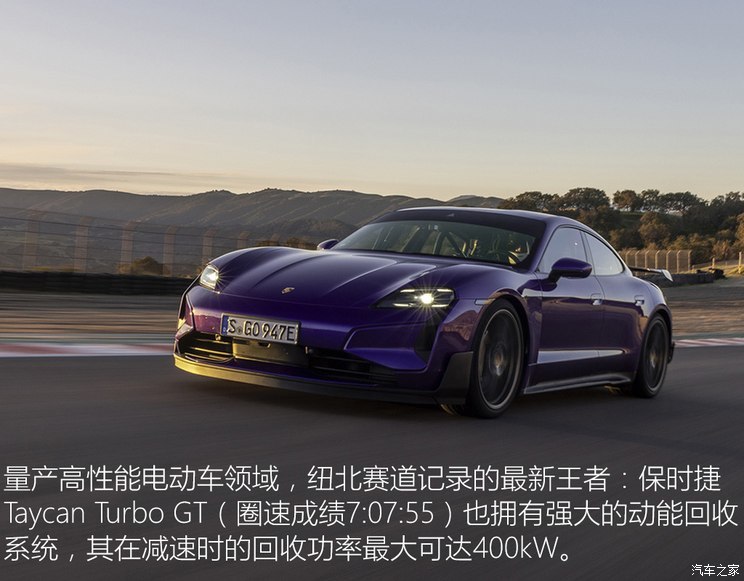
In the field of civil high-performance electric vehicles, besides strengthening the hardware of braking system, optimizing braking heat dissipation efficiency, aerodynamic design and using tires with stronger performance, kinetic energy recovery system can also play a certain role in vehicle deceleration. Take the Porsche Taycan Turbo GT (New North’s score of 7:07:55), which has set the fastest lap time in New North, as an example, the maximum energy recovery power of its kinetic energy recovery system is increased by more than 30%, from 290kW to as high as 400kW. However, although the kinetic energy recovery system can play a certain role in reducing the speed and braking distance, it is far from enough to rely on the kinetic energy recovery system to deal with the extreme track conditions.
Low article summary:
Generally speaking, although the runaway brake incident of Xiaomi SU7 track exposed some problems of Xiaomi’s driving on the track, it also provided us with an opportunity to observe and think about the safety problems of the automobile industry. From this incident, we can see that the safety of electric vehicles in the track depends not only on the design and manufacture of vehicles, but also on the driving skills and habits of users. In order to make mass-produced sports cars play their strongest performance on the track, it is also necessary for all parties, such as automobile brands and users, to work together. Of course, this incident has also brought improvement experience and lessons to Xiaomi Company, and also has a positive effect on new product development.