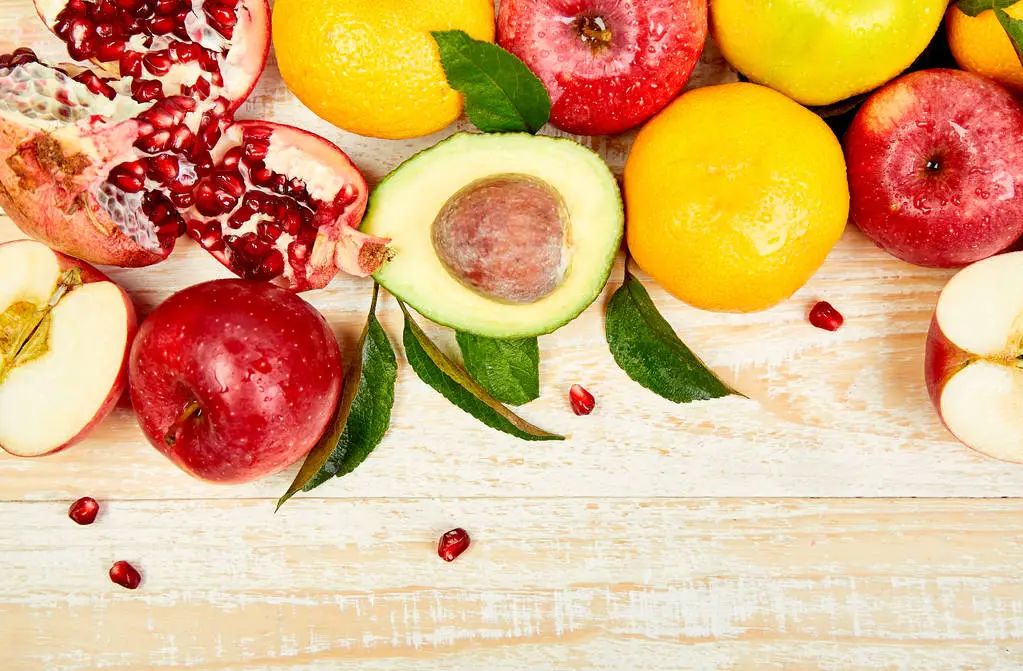
It’s cold. Are you wondering if you can continue to eat fruit? In fact, it is impossible not to eat fruit at all.
But if you eat a little fruit, you may feel cold in your stomach, and cough and phlegm will increase.
This is actually because the cold and dampness in the body have increased!
Citrus fruits (such as oranges, pomelos and honey pomelos), apples and pears are suitable for winter fruits. These fruits have a certain warming effect on the cold climate in winter and are suitable for eating.
Eating fruit in winter follows three principles.
1. Eat in moderation
Fruits in winter are usually rich in water and sugar, so we should pay attention to the right amount when eating to avoid excessive intake of sugar. Especially for people with diabetes or poor blood sugar control, we should choose and eat fruits carefully.
2. Warm treatment
If you are worried that eating cold fruit will cause cold stomach or discomfort, you can choose to heat the fruit.
3. Eat with staple food
When eating fruit, it is best to eat it with some staple foods, such as rice and bread. This can balance the cold nature of fruits and reduce the stimulation to the digestive system.
These four fruits are recommended in winter to nourish the lungs and spleen and stomach.
1. Oranges-It is better to warm them up.
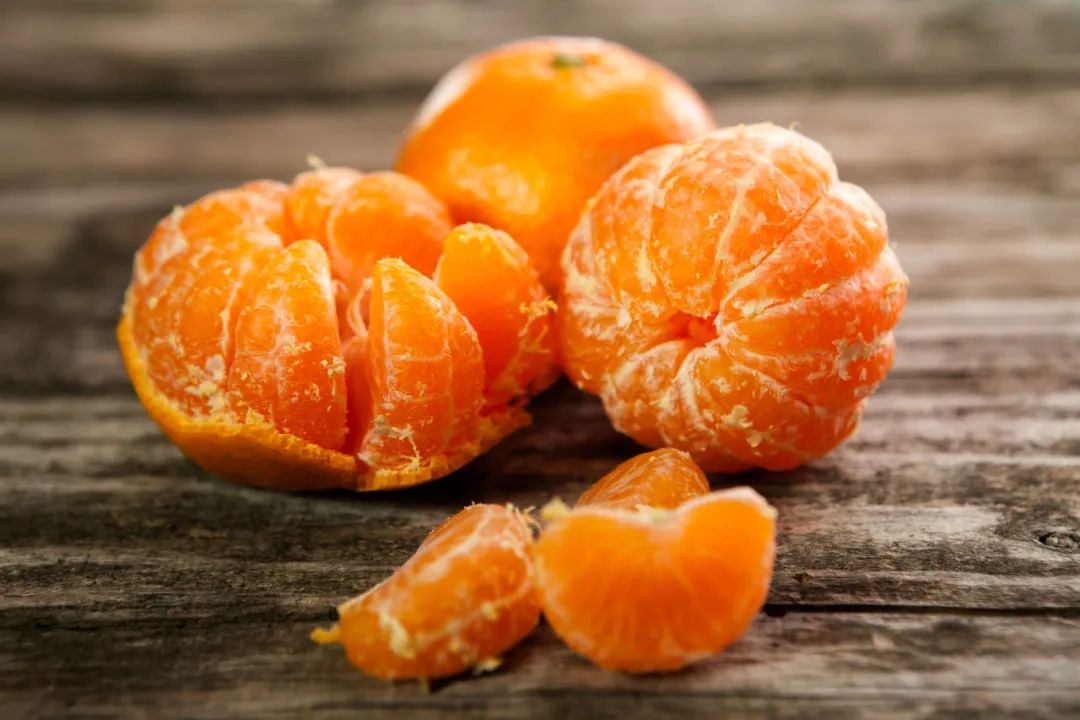
Oranges taste sweet and sour, but they are cold in nature. It can moisten lung, promote fluid production, regulate qi and regulate stomach.
Generally speaking, people suffering from cold cough and excessive phlegm are not suitable for eating oranges, but in fact they are not suitable for eating raw oranges. Everyone may have this experience. After eating a few sugar oranges or tangerines, there is not enough moist feeling in the mouth, but it will be a little sticky and thirsty, and phlegm will increase.
The main reason is that the orange itself is cold and cold, which will affect the digestive function of the spleen and stomach and slow digestion. In addition, oranges contain more sugar, which will lead to satiety and phlegm if it is not absorbed by the spleen and stomach in time.
There are two solutions, one is to eat less, and the other is to eat warm oranges.
You can boil oranges and eat them when they are hot.
The further method is to burn the red oranges. For cold cough, burning red oranges is very effective.
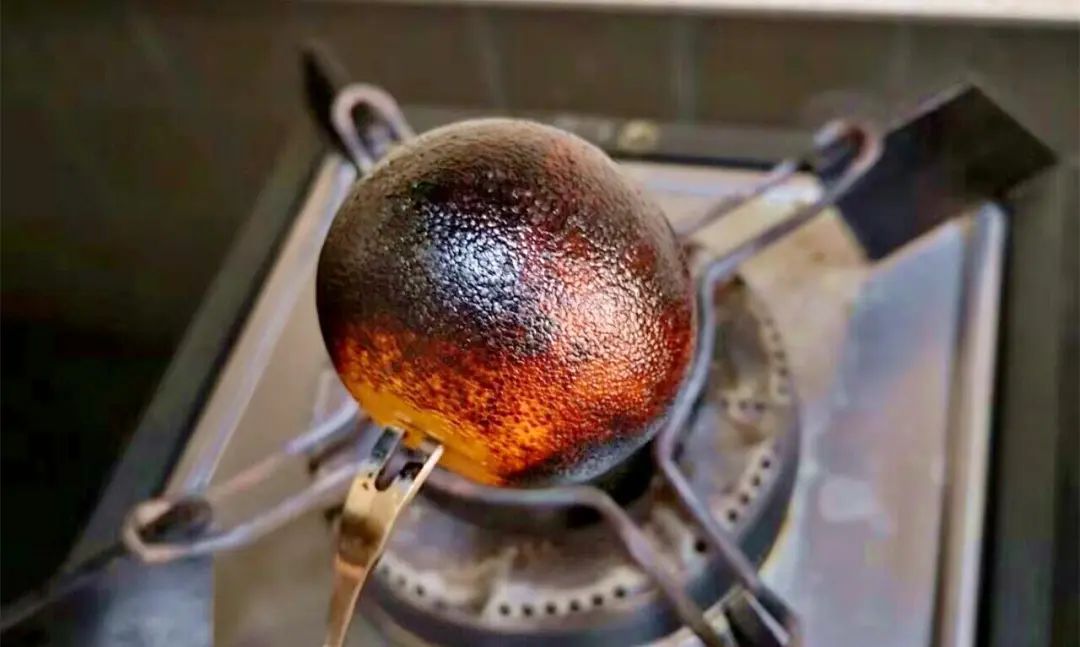
The outermost layer of orange peel, known as orange peel in Chinese medicine, is pungent and warm in nature and bitter in taste, which can regulate qi, relieve dryness and phlegm.
When the orange is roasted by fire, you can see that the outside of the orange is steaming. In fact, it is not only emitting outward, but also emitting inward. When it enters the orange meat, the orange meat has a pungent medicinal property.
2, Apple-the most peaceful
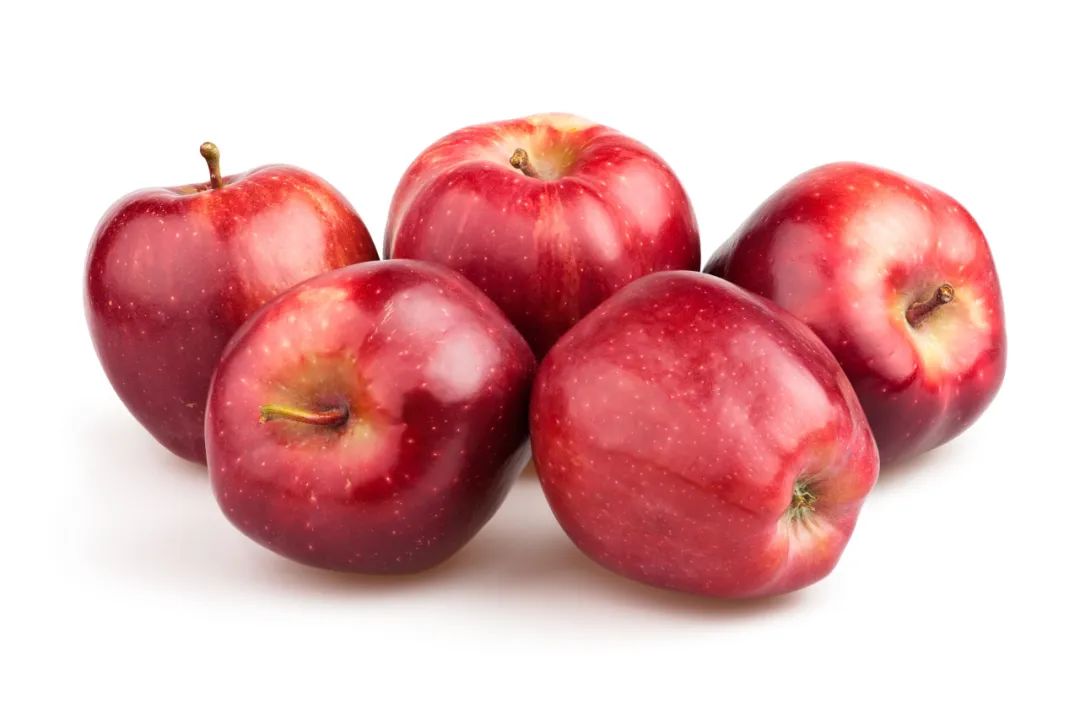
Apples are sweet and cool. It is the most peaceful fruit in autumn and winter.
Although apples are also cool fruits, most people can eat them. If you are worried, you can also eat ripe apples, cut them into pieces and boil water, or eat them directly after steaming, all of which are very delicious and healthy. Apple is very suitable for people who have a bad spleen and stomach and want to supplement body fluids.
Steamed apples also have the effect of relieving diarrhea.
3, pears-clearing heat and moistening the lungs
Pear is a common fruit in winter. It tastes crisp and juicy and is very popular with people. Pear is rich in nutrients such as vitamin C, cellulose and potassium, which can promote intestinal peristalsis and relieve constipation. Especially the stewed pear cup is a good food to warm the stomach and intestines. In addition, pears also have the effects of moistening the lungs, relieving cough, clearing away heat and quenching thirst, which has a certain effect on relieving symptoms of dry cough and thirst.
Recommended recipe: [stewed pear cup]
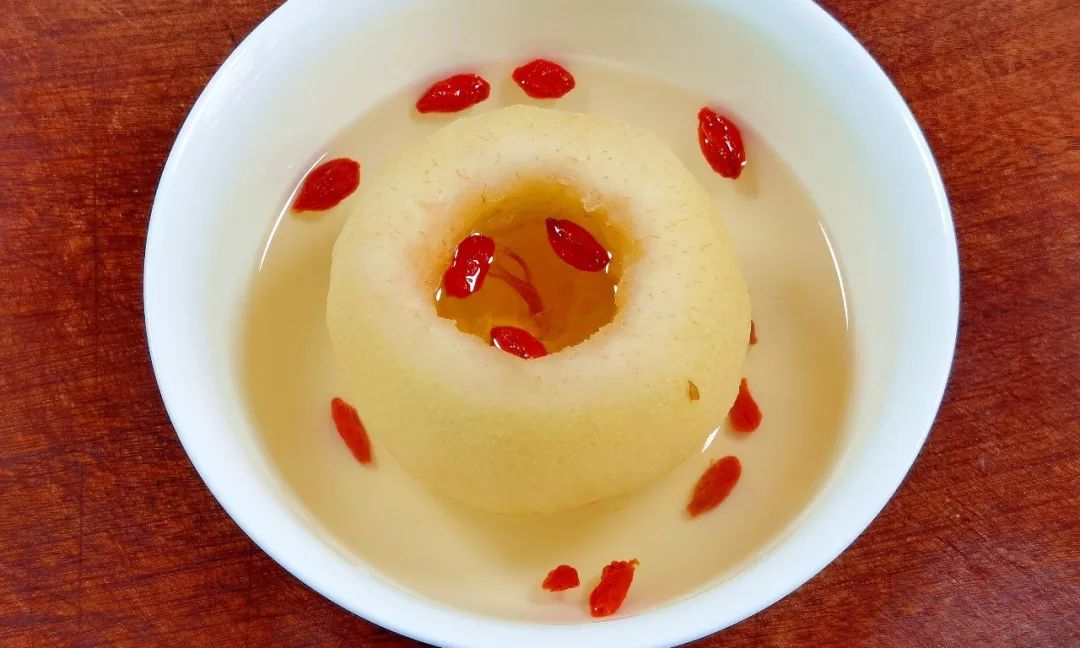
Prepare ingredients: pear, rock sugar and medlar.
The method is as follows: clean the pear, cut it 1 cm below the pear handle, use it as a cover, remove the core with a spoon, make a pear cup, add a proper amount of crystal sugar and Lycium barbarum, and steam it in a steamer for 15-20 minutes. This stewed pear cup is not only delicious, but also has a good effect on moistening lung and nourishing stomach.
4, horseshoe-shengjin Runyin, cooked to eat
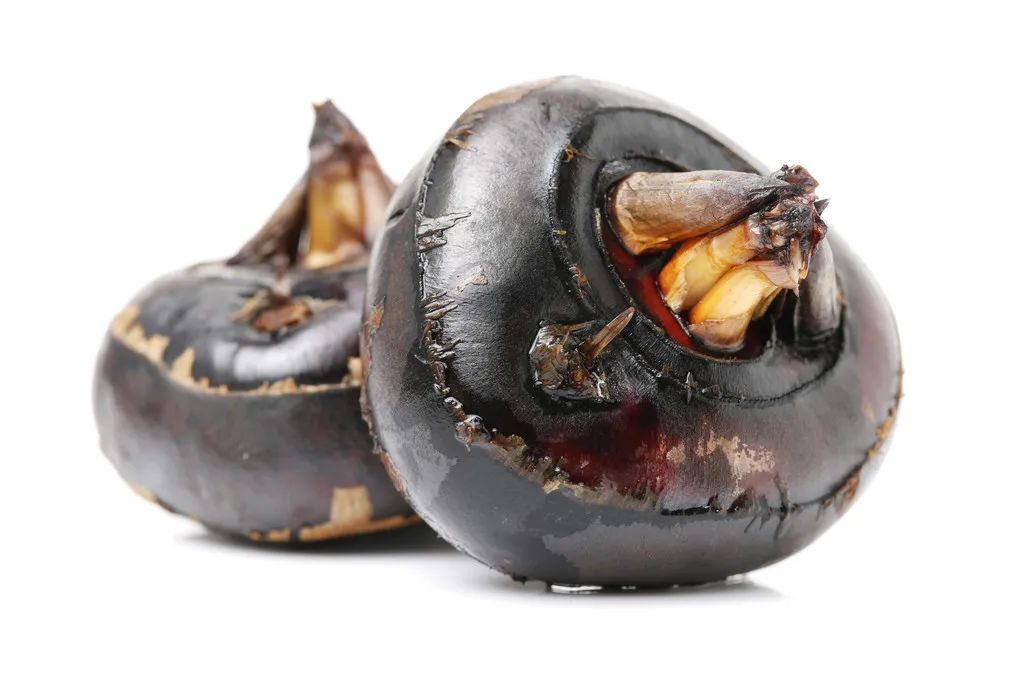
Horseshoe, also called water chestnut. Sweet taste, cold nature. It has the effects of promoting fluid production, clearing away heat, resolving phlegm and resolving food stagnation, and is mainly used for treating febrile diseases such as thirst, sore throat, phlegm-heat cough, etc. It is most suitable for people with yin deficiency and fire flourishing.
Horseshoe itself grows in the ground, and it is a wetland paddy field, and winter is its maturity. This kind of fruits and vegetables are often cold.
Raw horseshoes carry ginger worms and are not suitable for raw food. After cooking, the cold nature will be neutralized, and it is more convenient to eat and peel. Can be boiled with sugar cane, which has the effect of clearing phlegm.
In short, when eating fruit in winter, we need to pay attention to proper amount, warm treatment and collocation of staple food to keep our health and comfort.
Warm reminder: If you have special health conditions or diseases, it is recommended to consult a doctor or dietitian.
Read the original text