"What the masses think, we do" —— A survey of establishing and improving a long-term mechanism for doing practical things for the people in Zhejiang

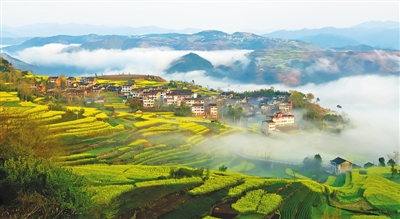
Rape flower in Sangzhou, Ninghai. Information picture
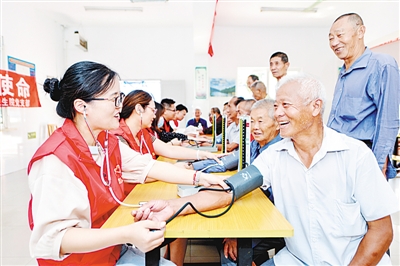
Volunteers from the Medical Community Group of Changxing County Hospital of Traditional Chinese Medicine in Huzhou measured blood pressure for the elderly free of charge. Information picture
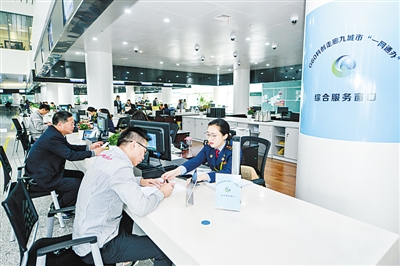
At the general service window of G60 Science and Technology Corridor of Changxing Government Service Center, citizens are applying for the business license of Shanghai Company. Information picture

  editorial comment/note 

  Governing the country is regular, and benefiting the people is the foundation. In 2004, Zhejiang took the lead in issuing "Several Opinions on Establishing and Perfecting a Long-term Mechanism for Doing Practical Things for the People", focusing on ten key areas, such as social security, ecological environment, science, education and culture, and social stability, and clearly accelerating the establishment and improvement of five working mechanisms: reflecting people’s feelings, democratic decision-making, responsibility implementation, investment guarantee and supervision and evaluation. Since then, the long-term mechanism of doing practical things for the people has taken root in Zhejiang, and the upsurge of doing practical things for the people has stirred up in Zhijiang. In the past 15 years, Zhejiang has put the practical work for the people into the overall layout of the "five in one" of Socialism with Chinese characteristics’s cause, constantly improved the holistic and systematic response mechanism to the demands of the masses, innovated the participatory social governance model of "participation of the whole people and social coordination", and continuously promoted the modernization of governance system and governance capacity. The practice in Zhejiang is of great practical significance for studying and implementing the spirit of the Fourth Plenary Session of the 19th CPC Central Committee, upholding and improving the people’s livelihood security system of coordinating urban and rural areas, and upholding and improving the social governance system of co-construction, co-governance and sharing. Recently, Guangming Daily’s research team went to Changxing, Wenling, Luqiao, Ninghai and other places in Zhejiang Province, and had face-to-face communication with grassroots cadres and masses through field visits, centralized discussions and individual interviews, and conducted in-depth research on Zhejiang’s long-term mechanism of doing practical things for the people.

  In late autumn in Zhejiang, the layers of forests are dyed and colorful. From the source of Qianjiang River to the coast of the East China Sea, from the south bank of Taihu Lake to the bank of Oujiang River, everywhere, the scenery is fresh and beautiful, and it exudes the unique charm of being pleasant, livable and suitable for business.

  Fifteen years ago, it was also a golden autumn, and a long-term mechanism for doing practical things for the people began to be built in Zhijiang. The participatory social governance of "people’s issues", the financial investment mainly in people’s livelihood, the cultural nourishment of goodness and beauty, and the ecological construction of "Lucid waters and lush mountains are invaluable assets" were deepened day by day. Fifteen years later, walking in the cities and villages of Zhejiang, the research team deeply felt that from provinces and cities to counties and townships, from individuals to society, from basic public services to global development, Zhejiang has been playing a strong voice of the times with people as the center, and the long-term mechanism of doing practical things for the people with distinctive characteristics has entered the track of standardization, institutionalization and regularization.

  1, "people call me" to activate the enthusiasm of the masses to participate.

  To promote the modernization of the governance system and governance capacity, we must ask for the people, ask for the people, and rely on the people closely. What kind of practical mechanism for the people can make the people participate in decision-making in the whole process?

  In front of a five-story building with white walls and tiles in Liyang Town, Ninghai County, Ye Zhenfang, a representative of the county people’s congress, carefully inspected the construction progress of the home care service center in this town, while clicking on the mobile phone "Ninghai Ticket Decision System" App to upload photos of field trips. "Precise Rehabilitation Service Project for the Disabled", "Relocation Project of Qiantong Town Health Center" and "Women and Children Activity Center Project" … … Sliding the screen of the mobile phone, these "key things" that are gathered from public opinions are presented in the list of "Ninghai County People’s Congress deputies voted for people’s livelihood practical projects in 2019", and NPC deputies can track and supervise the project progress in real time.

  In Ninghai, the people’s livelihood project is no longer decided by the government, but voted by the deputies to the National People’s Congress. The implementation process is supervised by the deputies, and the construction results are evaluated by the deputies. This kind of "people order, deputies vote, and the government cooks" people’s livelihood project has been implemented for ten years.

  It is with the support and supervision of the deputies that what the masses think can be done quickly and well. Liyang Town, the birthplace of the voting system, is the transportation hub in the east of Ninghai. As early as 2006, it planned to renovate the passenger station to solve the traffic ills, but it had to be shelved for a long time because a few villagers did not cooperate. However, the "transformation of passenger station" was selected as the first livelihood project in the process of deciding the ticket system in 2008, and the signing of the requisition and relocation was completed within two months. "This is a project selected on behalf of the masses and cannot be in our hands." Xu Peifei, a former deputy to the National People’s Congress, told the research team when he introduced the scene of the town people’s congress deputies doing villagers’ work in groups and from house to house.

  From "being the master for the people" to "being the master by the people", from "wishful thinking" to "your feelings and my wishes", the work pattern of "people calling me to respond" and "the masses asking questions" has gradually taken shape in Zhejiang. Nowadays, the voting system for deputies to the people’s livelihood projects has achieved full coverage at the county and township levels in Zhejiang.

  What kind of practical mechanism for the people can widely mobilize forces and reflect the demands of the masses in many ways?

  More than 50 years ago, Zhuji created the famous "Maple Bridge Experience" in China, and now it is upgraded to "Maple Bridge Experience" — — The normalized "5+N" operation of general grid with full-time grid staff and social forces including lawyers and rural sages has been implemented in many places in Zhejiang.

  In Hengjie Town, luqiao district City, Taizhou City, Luo Pei, a grid worker, is investigating potential safety hazards in the printing plant of Huanzhen South Road. While taking photos, he reports the potential safety hazards through the "Ping An Tong" App. In addition to the problems found by grid workers in the streets and villages, the integrated information command room at the other end of the link "Ping An Tong" is also making data "running errands" all the time: multi-department information such as safety supervision, fire protection and food safety is accepted and accepted. The survey shows that in Luqiao, more than 90% of social problems and social contradictions have been resolved at the grassroots level, and the people’s sense of security and satisfaction have been significantly improved.

  From the collection of public sentiment information to the propaganda of policies and regulations, from the service of grid residents to the mediation of contradictions and disputes … … Nowadays, many post-80s full-time grid workers like Luo Pei have become "all-rounders" working in the "responsibility field".

  “‘ General practice grid ’ Pass ‘ Handle affairs at the source and do things on the spot ’ , from ‘ Small public security ’ To ‘ Great peace ’ The transformation. " Mou Aoye, deputy secretary of the Luqiao District Committee and secretary of the Political and Legal Committee, said.

  What kind of practical mechanism for the people can achieve deliberative democracy?

  "How to allocate resettlement houses after relocation?" "What are the compensation standards?" "Is there a place for ordinary people to move to the new area?" At the democratic forum on the relocation of the whole village in Daxi Town, Wenling, Taizhou, the research team observed a "hot" folk "focus interview". Public toilet reform, garbage classification, school location … … Now, Wenling holds more than 1,800 democratic talks every year on average, which has become a "golden business card" for Wenling to deepen its reform.

  "Through the extensive and orderly participation of the masses in the decision-making and management of social public affairs, democratic talks have solved many people’s livelihood issues of common concern to the government and the masses, and solved contradictions and disputes from the source." As the founder of democratic talk, Chen Yimin, director of Wenling Democratic Talk Office, told the research team.

  Through big data analysis, the mobile phone software "Longyoutong", which keeps abreast of people’s voices, can be called "36 small and micro powers in Ninghai" … … From the reflection of people’s feelings to democratic decision-making, from the implementation of responsibilities to supervision and evaluation, a long-term mechanism of people’s livelihood with participatory social governance as the main feature has enabled the government to accurately grasp the needs of people’s livelihood, formed a benign interaction between the government and the people, and constructed a new pattern of social governance with co-construction, co-governance and sharing.

  2. "People’s livelihood finance" solves the public service problem

  How do the fruits of economic development translate into people’s well-being? In Zhejiang, the long-term mechanism of doing practical things for the people, focusing on promoting the equalization of basic public services, has been continuously deepened.

  "I didn’t expect to get the construction permit the next day, and started work more than 20 days earlier than expected." Zhou Jifeng, head of the workshop project of Zhejiang Wangjin Nonwovens Co., Ltd., told the research team happily. In order to solve the problems of long time-consuming and unclear responsibilities in drawing review of infrastructure projects, Changxing County, Zhejiang Province took the lead in implementing the "exemption list" system in the province by optimizing the scope of construction drawing review. "In the past, we had to wait for the drawings to pass the examination before we could apply for the construction permit. Now we cancel the pre-approval examination of the construction drawings of construction projects and implement the self-examination commitment system, which improves the efficiency and reduces the burden for enterprises." Jiang weihong, deputy director of Changxing county government affairs management office, introduced.

  "One Netcom Office", "Packaging and Approval, Integrated Services" and "Open 24 Hours" … … In recent years, Zhejiang has continuously extended the reform of "running at most once" and focused its government resources on improving people’s quality of life, compulsory education and social security. At the same time, government services are sinking, and they are stationed in community and rural convenience service centers. At present, more than 90% of the items in cities and counties in Zhejiang Province have achieved "running at most once", and the satisfaction rate in 2018 reached 96.5%.

  In Ginkgo Forest, Xiaopu Town, Changxing, the research team saw that colorful thousand acres of flowers and antique old streets with white walls and gray tiles rejuvenated Badu Village, which was once left out, and attracted tourists from all directions.

  "The glass plank road is the first project signed by the five village economic associations in Badu Scenic Area, with an estimated annual income of about 3 million yuan." Jin Fei, deputy mayor of Xiaopu Town, introduced that at the beginning of this year, five villages of Xiaopu Town, namely, Xiaopu, Fangyi, Fangyan, Panlinan and Datuokou, set up an economic joint-stock company to explore the collective development mode by means of village integration.

  Improve financing loans, establish poverty alleviation funds, and reduce taxes and fees … … Looking at Zhejiang, there are frequent new tricks in rural revitalization, which have brought tangible real money to the people.

  The research team saw in the Jiapu Town Health Center in Changxing that telemedicine centers such as electrocardiogram and imaging solved the problem of experts’ difficulty in making appointments. Sharing electronic health records without film projects has saved more than 35 million yuan in medical expenses for county people; The contract service of family doctors has guaranteed the health of chronic patients and the elderly. At present, the rate of seeing a doctor in Changxing county is 90%, and the satisfaction of patients evaluated by third parties is 92%. The pattern of "minor illness in the township, serious illness in the county, rehabilitation back to the township" has gradually taken shape.

  It is understood that since 2003, Hangzhou has established a working mechanism of "breaking seven difficulties" for seven difficult problems, such as "difficulties in finding jobs, going to school and seeing a doctor", and incorporated them into government performance management. By leveraging commercial insurance with government funds, Ningbo has successively launched 165 insurance innovation projects, including comprehensive housing insurance for urban residents, and built a risk protection network closely related to people’s lives.

  From infrastructure to health care, from poverty alleviation and development to employment and reemployment … … The foothold of doing practical things for the people is more on specific "small things" such as daily necessities, safety and warmth, which are closely related to the people. The research team learned that for 15 consecutive years, Zhejiang insisted on spending more than two-thirds of the province’s fiscal expenditure increase on people’s livelihood. In 2018, there were 126 provincial-level livelihood projects, with a cumulative livelihood expenditure of 4,414.8 billion yuan, 9.5 times that of 2004.

  3. Culture benefits the people and makes the people "have something to send"

  Not only let the people "have a place to live", but also let the people "have something to send." In Zhejiang, benefiting the people through culture has become an important aspect of doing practical things for the people.

  "Ten thousand mu of Myrica rubra, a beautiful village, the ancient rhyme of wuyue originated from Liuchang … …” In the land of Zhijiang, the tall and solemn cultural auditorium always shows the new landmark of Zhejiang cultural spirit. In the Cultural Auditorium of Fuziling Village, Jiapu Town, Changxing, 61-year-old resident Zhang Yingfu is practicing opera: "We old opera fans who love opera often come here to sing and get addicted." In addition to singing operas, there are photography teams, painting and calligraphy teams, waist drum teams and so on. No matter the elderly, children or women, they can find activities suitable for them in the cultural auditorium. Nowadays, this cultural service complex, which integrates traditional folk customs and modern culture, integrates entertainment, ideological and moral construction and knowledge popularization, has become the most happy place for Zhejiang people to go.

  Menu-style customization such as "cultural customization", "scouring culture" and "you order me to perform" is a characteristic innovation of Zhejiang culture benefiting the people. Since the construction of rural cultural auditorium was included in the "Ten Practical Things" to be done in Zhejiang in 2013, the province has established a "big menu system" by coordinating all forces, innovatively launched a docking platform for supply and demand of cultural services, and regularly distributed various cultural activities such as movies, calligraphy and painting, books and intangible performances, which not only launched free products from government departments, but also provided market-oriented paid products, which stimulated the enthusiasm of the masses to participate. For example, the cultural auditorium in Huilong Village, Yinzhou, Ningbo introduced the market-oriented operation of professional institutions, and the annual visits exceeded 30,000 times.

  By the end of July this year, 12,826 cultural auditoriums had been built in Zhejiang, and the comprehensive cultural stations and village-level cultural activity rooms in the province had achieved full coverage.

  "Only one banquet will be held, with no more than 40 tables for both parties, no more than 100 yuan for the unit price of drinks, no more than 1,000 yuan for a single table and no more than 100,000 yuan for the betrothal gift." In the bulletin board of villagers in Macheyu, Daxi Town, Wenling, an activity called "100 million" has attracted the attention of the research group.

  "A few years ago, the number of banquets in our village reached thousands a year, and the cost of human exchanges was as high as 30,000 to 40,000 yuan, which seriously affected the quality of life." Xie Jizhi, a villager in the village, told the reporter, "Now the village has launched ‘ Civilized family banquet hall ’ Specially hired a gold medal chef to help us cook, saving a lot of money. " Xie Jizhi also took the lead in joining the volunteer service team to help villagers do ideological work.

  The "rural civilization integral system" quantifies the intangible civilization morality, and the "most beautiful family style" advocates that all families promote virtues and every household teaches them … … Throughout Zhejiang, traditional culture is used to conserve mainstream values, cultivate virtues and good deeds, and innovate social governance. The Wuyue culture, which has been flowing for thousands of years, continues to nourish the spiritual world of Zhejiang people, and the project of benefiting the people with culture as the carrier of civilized practice in the new era continues to penetrate into cities and villages.

  4. "Green water and green mountains" have become the source of happiness for the people.

  The expectations of ordinary people from "hunger for food and clothing" to "hunger for environmental protection" and from "survival" to "ecology" have strengthened Zhejiang’s confidence and determination to solve ecological and environmental problems as the focus of people’s livelihood work.

  Changxing, with water as its pulse, is surrounded by Taihu Lake in the east, wetlands in the abdomen and Miaomiao River and Lake water, which is soft and full of aura. But at the end of the 20th century, every household’s water-jet looms not only created economic benefits, but also caused river water pollution. "The original farming methods are extensive, and there are many small workshops. The water flowing out of our town is ‘ Milk ’ Shape, stinking. " Qian Xihua, a member of the Party Committee of Jiapu Town, told the research team that the town has successively carried out special actions to control water pollution, blocked 250 sewage outlets, banned 900 water pipes from fresh water pumps of water sprayers, and completed a series of water control projects such as dredging the water system and opening the broken river.

  As early as 2003, Changxing took the lead in exploring the implementation of the "river length system" in the country. Up to now, 547 rivers in the county have been included in the "river length system" management, with 498 river lengths and 101 lake lengths at all levels, and the performance of river and lake lengths has been included in the comprehensive assessment. After years of improvement, Changxing has already realized the transition from "river length system" to "river length control", and the relevant experience has been popularized throughout the country.

  Walking into Nanling Village, Sangzhou Town, Ninghai County, the houses built of bricks and stones are strewn at random according to the mountain situation. The terraces have different shades of Gesanghua flowers, and the bluestone paths in the village are winding and secluded, dotted with unique homestays. The boutique homestay set up by the villagers at home has revitalized the once-sleeping "hollow village".

  "A few years ago, due to inconvenient transportation and backward facilities, young people in the village went out to work." Ge Jianbiao, secretary of the Party Committee of Sangzhou Town, said. The "beautiful transformation" of the village benefited from the "demonstration of thousands of villages and renovation of thousands of villages" project initiated by Zhejiang in 2003, and Nanling Village became one of the demonstration villages. Demolition of dangerous houses, hardening of roads, cleaning up wastes, regulation of rivers, construction of ecological public toilets and village greening … … Yaoyao, a post-80s designer, saw the increasingly beautiful environment in his hometown and came up with the idea of transforming his ancestral home into a rural homestay. Retain the old beams, old floor tiles and door panels, and the "dilapidated old house" will become a "beautiful old house" inspired by yaoyao, and become the punching place for "online celebrity".

  Such a "beautiful economy" is becoming more and more common in Ninghai County. Since the strategy of "Grand Scenic Area" was put forward in 2011, the county has allocated 80 million yuan each year to carry out environmental improvement and develop green ecology and fine landscape construction. As of September this year, the turnover of 386 homestays reached 250 million yuan, and the total income of tourism economy was 13.67 billion yuan.

  Since 2003, the project of "Demonstrating Thousands of Villages and Renovating Ten Thousand Villages" has won the United Nations "Guardian of the Earth" award, and Zhejiang’s achievements in ecological civilization construction have been internationally recognized. In recent years, Zhejiang has continuously improved the urban and rural living environment, and the quality of the ecological environment has been continuously improved. The assessment of "Ten Water Articles" and "Ten Gas Articles" is excellent, and the water quality of the inferior V sections has been completely eliminated. The sky is bluer, the mountains are greener and the water is clearer. The "Ten Thousand Projects" have made thousands of picturesque "beautiful countryside".

  5. Reflections on Zhejiang’s long-term mechanism of doing practical things for the people.

  Strengthen and improve national governance with people as the center. China’s national system and national governance system have the obvious advantages of "adhering to the people-centered development thought, constantly safeguarding and improving people’s livelihood, enhancing people’s well-being and taking the road of common prosperity". To promote the modernization of the governance system and governance capacity, we must ask for the people, ask for the people, and rely on the people closely. Zhejiang has always adhered to the "people-oriented" policy concept, formed a "people order" service model, constantly satisfied the people’s longing for a better life, and practiced and developed the "people-centered" development thought from different dimensions.

  Take the long-term mechanism of doing practical things for the people as a pioneering attempt to promote the modernization of governance system and governance capacity. The Fourth Plenary Session of the 19th CPC Central Committee clearly stated that it is necessary to build a community of social governance in which everyone is responsible, everyone is responsible and everyone enjoys it. Whether it is the "Maple Bridge Experience", the National People’s Congress Deputies’ Voting System, Democratic Talks, or the "Three Governance Integration", Zhejiang, as the birthplace of many governance experiences in contemporary China, not only pays attention to the system and mechanism design, but also pays attention to the improvement of cadres’ thinking and ability, and has made a two-pronged approach to the governance system and ability, contributing to the modernization of the governance system and ability.

  So that the people and the people can be the starting point and the end result of the reform. We will do what the masses think. In order to do practical things for the people, Zhejiang insists on starting with the "key little things" that affect the people’s production and life, thinking about government reform from the perspective of the masses, setting reform goals with the needs of the masses, and establishing reform standards with the feelings of the masses, so as to continuously enhance the people’s sense of acquisition, happiness and security. And "people’s satisfaction" has also become an important criterion to measure the effect of reform. In 2018, how did Zhejiang Province "do things about people’s livelihood — — You have the final say "activity, let the people be examiners and tell their true feelings, and the favorable rate of the masses reached 99.48%.

  Strong institutional guarantee is the key to play a role in the long-term mechanism of private affairs. In the past 15 years, Zhejiang has continuously innovated and improved the long-term mechanism of doing practical things for the people, and built an institutional mechanism with multi-participation, horizontal to the side and up and down, and vertical to the end. The so-called horizontal is to implement the joint efforts of party Committee leaders, mass proposals, CPPCC deliberations, NPC deliberations, and government handling; The so-called vertical refers to the implementation of the road map with the main body gradually expanding from the provincial government to cities, counties and towns, top-down, responsibility to people and clear progress. Through the continuous improvement of the system, the beautiful blueprint of social governance modernization has been turned into tangible benefits for the people step by step.

   (Author: Guangming Daily Research Group, members of the research group: Zhang Biyong, Lu Jian, Yan Hongfeng, Ceng Yi, Bai Xuelei, Lan Yani)
In 70 years, 150,000 cultural relics "went home" to reveal the story behind the return of cultural relics.

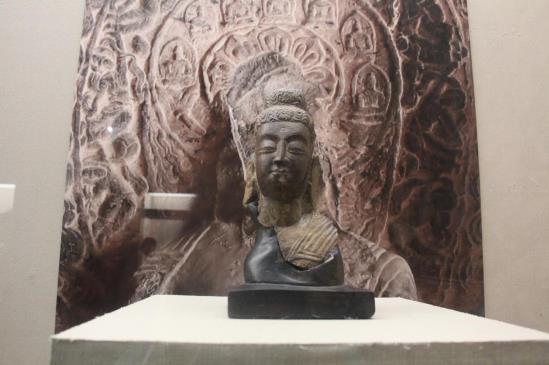
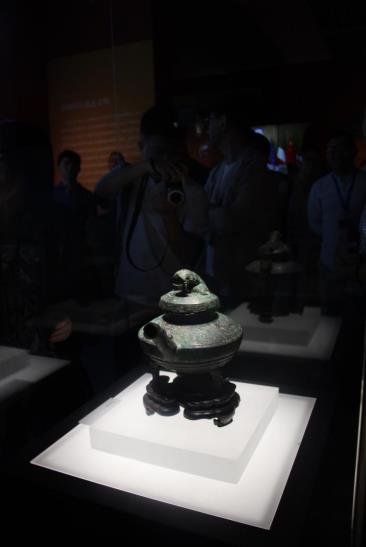
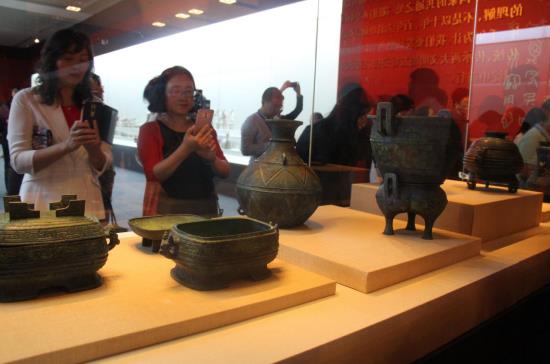
  CCTV News:Bo Yuan Tie, Wu Niu Tu, Wang Chu Zhi Tomb Relief Stone Carving, Longmen Grottoes Stone Carving Buddha Statue, Qin Cemetery Gold Decorative Piece, Pan Fang, Yuanmingyuan Bronze Tiger, Zeng Boke Father Bronze Assembler … … Behind every cultural relic, there is a tortuous return story. On September 17th, the Ministry of Culture and Tourism and National Cultural Heritage Administration hosted the "Road to Return — — The exhibition on the return of lost cultural relics in the 70th anniversary of the founding of New China opened at the National Museum of China.

  Liu Yuzhu, director of the National Cultural Heritage Administration, pointed out in his speech that the cultural relics lost overseas in China are an inseparable part of China’s cultural heritage, and the return of cultural relics is closely related to the rise and fall of the country’s chaos, which closely touches the hearts of Chinese people. The Party and the government attach great importance to the rescue and protection of lost cultural relics. Since 1949, more than 300 batches and 150,000 pieces of lost overseas cultural relics in China have been successfully returned through law enforcement cooperation, judicial proceedings, negotiated donation and rescue collection.

  In this exhibition, 25 representative cases of cultural relics’ return were carefully selected, and more than 600 cultural relics from 12 provinces and cities and 18 cultural and art institutions were mobilized to participate in the exhibition, and the tortuous course and wonderful stories of cultural relics’ return were excavated and told. Let’s enjoy the magnificent 70-year return of cultural relics in the return story.

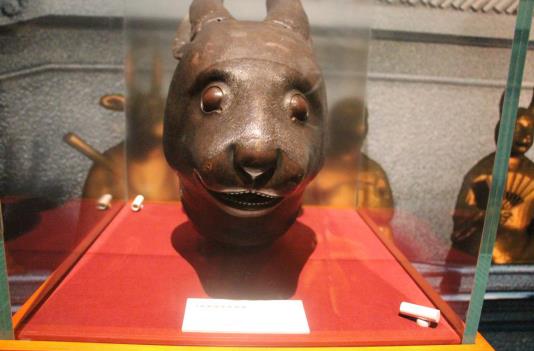
The bronze statue of the rabbit in Yuanmingyuan, donated by Mr. Francois Pinault in the Qing Dynasty, is in the National Museum of China.

  In the mid-19th century, the great powers’ strong ships and strong guns shattered the dream of going to China in the late Qing Dynasty. In 1860, the British and French allied forces captured Beijing, the Garden of Ten Thousand Gardens was set on fire, and precious cultural relics were swept west. A treasure that has lost its dignity and glory records an embarrassing past in the drift from place to place, and also affects the heartstrings of thousands of people.

  Since the 1980s, the lost cultural relics in China, including the animal heads of Yuanmingyuan, have appeared overseas one after another. International auction companies have repeatedly made profits at high prices, and Chinese people have been strongly indignant and condemned. International public opinion has paid extensive attention to it, and the return of cultural relics is facing many obstacles. The China Municipal Government has always been determined to promote the return of cultural relics, from the state-owned enterprises bidding for the heads of cattle, tigers and monkeys, to the donation of Chinese businessmen for the heads of horses and pigs, and then to the return of foreign friends for the heads of rats and rabbits. The animal heads in Yuanmingyuan have traveled from scattered stars to reunited, which is exactly a road to the return of cultural relics lost in China.

  The bronze statue of the animal head in Yuanmingyuan was originally a component of the fountain of the zodiac in Haiyan Hall of Yuanmingyuan. In 1860, the British and French allied forces looted Yuanmingyuan and lost it overseas. The animal head was designed by western painters during the reign of Emperor Qianlong of Qing Dynasty, and made by artisans in China court, combining the cultural characteristics of the East and the West. The animal head is lifelike in shape and delicate in performance, showing a high technological level.

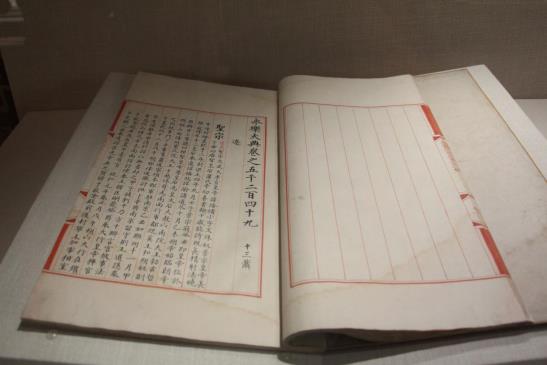
 The word "Liao" in volumes 5248 and 5249 of Yongle Dadian was returned by the former Soviet government in 1954 in the Ming Dynasty and kept by the National Library of China.

  Yongle Dadian was written in Yongle period of Ming Dynasty, which was the first encyclopedic document integration in ancient China, and a set of copies was copied in Jiajing period of Ming Dynasty. Sadly, after the rise and fall of political power and the catastrophe of war, the original Yongle Dadian has disappeared, and a few surviving copies are also lost.

  During Eight-Nation Alliance’s invasion of China in 1900, German soldiers snatched three volumes of Yongle Dadian from the Imperial Academy in Beijing, and then collected them in the library of Leipzig University in Germany. On December 11th, 1955, the former GDR Chancellor Grotewohl returned the three volumes of Yongle Dadian and ten Boxer flags to China.

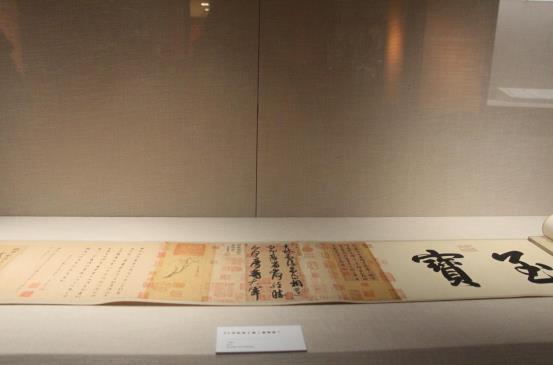
 Wang Xianzhi’s Mid-Autumn Festival Post (copy), Jin Dynasty, the original is in the Palace Museum. (Because the Mid-Autumn Post and Han Xizai’s Night Banquet are currently in the dormant period of cultural relics, this exhibition shows replicas. )
  Mid-Autumn Post, Bo Yuan Post, and the Post of Quick Snow in the National Palace Museum in Taipei are collectively called "Three Wishes" by Qianlong. At the end of the Qing Dynasty, the Mid-Autumn Festival and Boyuan were taken out of the Forbidden City by Puyi, and then changed hands several times and moved to Hong Kong. In October, 1951, Zheng Zhenduo learned that "Erxi" was about to be sold by inquiry, and immediately started the rescue of cultural relics with the assistance of Xu Senyu, Hu Huichun and Xu Bojiao. Wang Yeqiu, then deputy director of the Cultural Relics Bureau of the Ministry of Culture, was ordered to negotiate with Xu Senyu, director of the Shanghai Cultural Management Committee, and Ma Heng, president of the Palace Museum, and finally successfully bought back Erxi and handed it over to the Palace Museum for collection, ending the decades-long drift of two national treasures.

 Yang Quan donated cultural relics.

  Yang Quan, a native of Guangdong, moved to Hong Kong with his father when he was a teenager. He was deeply saddened by the loss of cultural relics in the motherland and determined to do his best to protect Chinese cultural relics. During the Japanese occupation of Hong Kong, Yang Quan went through all kinds of difficulties to save the collection of cultural relics from being poisoned. Before liberation, he witnessed the situation that China cultural relics were stolen and sold by imperialists, warlords, bureaucrats and illegal profiteers in Hongkong, and he was heartbroken and longed for the prosperity of the motherland. In 1946, Yang Quan told Guo Moruo that he would donate his personal cultural relics unconditionally to the "trustworthy government". Therefore, after the founding of New China, he deeply realized that "the motherland became strong after liberation, but also because the government paid attention to the preservation, collation and research of cultural relics", and he decided to donate all cultural relics to the new China government.

  From 1959 to 1964, Mr. Yang Quan overcame all kinds of difficulties and transported more than 5,000 pieces (sets) of cultural relics collected by him to the mainland in eight batches and donated them to the country. Mr. Yang Quan’s lifelong wish has been fulfilled. This is the largest cultural relic donation accepted by our government at the beginning of the founding of New China.

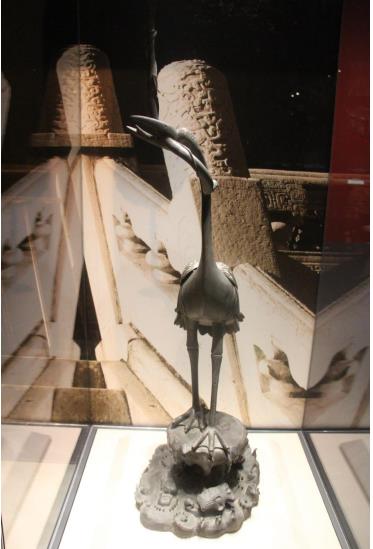
 Copper crane, collected in the management office of the Summer Palace in Beijing in Qing Dynasty.

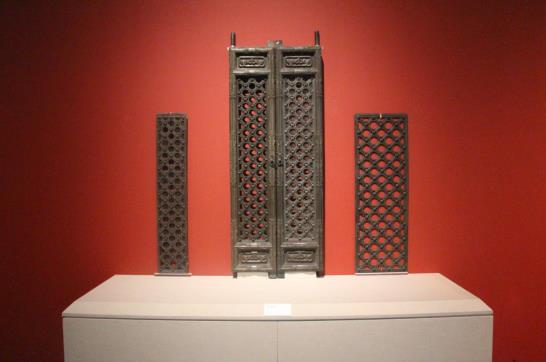
 Baoyunge copper window, collected in the management office of Beijing Summer Palace in Qing Dynasty.

  The Baoyunge Copper Hall in the Summer Palace was built in Qianlong for twenty years. All the components of the copper hall, such as beams, arches, rafters and plaques, were cast by the traditional "wax pulling method" and "sand breaking method" in China. In 1900, the Summer Palace was looted by Eight-Nation Alliance, and ten bronze windows in the bronze hall of Baoyunge were lost to France.

  Around 1992, maurice greene Berg, the chairman of the American Industrial and Commercial Insurance Company, accidentally learned the whereabouts of ten copper windows, bought these copper windows in July 1993 with a large sum of money, and returned them to China for free. On December 3, 1993, the restoration and installation of the bronze window was completed in the Summer Palace, and the bronze window was finally returned to Baoyun Pavilion. The bronze temple stands tall, making future generations want to see the longevity scenery and beautiful scenery of that year.

  In 1975, Dr. Ambrose Harding of the United Kingdom gave back the Qing Dynasty bronze cranes and other cultural relics looted by the British and French allied forces from Qingyi Garden (the predecessor of the Summer Palace) in 1860.

  All the components of Baoyunge are cast by the traditional "wax-pulling method" and "sand-breaking method" in China, and then they are continuously cast together to form an integral bronze temple, which embodies the outstanding achievements of investment casting technology in China and has high scientific value. The style of the bronze crane is realistic, the shape is plump and strong, which means auspiciousness. The return of cultural relics in the Summer Palace is of great significance for restoring the integrity and authenticity of the Summer Palace.

  The bronze windows and cranes in the Summer Palace are lost cultural relics that returned earlier through donations from international friends.

 The Buddha’s head in Gaoshu niche, returned by Chinese Americans in the Northern Wei Dynasty, collected by Longmen Grottoes Research Institute.

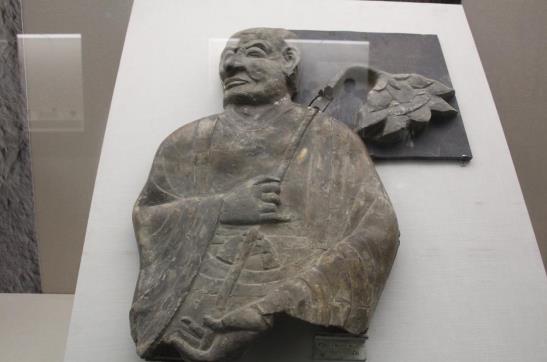
 Luohan statue in Kanjing Temple, Tang Dynasty, returned by Canadian government, collected by Longmen Grottoes Research Institute.

  At the beginning of the 20th century, Longmen Grottoes, the artistic treasure of ancient Buddhist sculpture in China, was severely damaged and chiseled, and countless exquisite statues were lost overseas. Guyang Cave, Lianhua Cave, Huoding Cave, Wanfo Cave, Kanjing Temple, etc. were particularly damaged, and the Buddha sculptures in many grottoes were "beheaded" for a long time. Among them, the Kanjing Temple relief Luohan statue was stolen in 1930s, and it appeared in European and American auctions, and was later donated to the National Gallery of Canada. In April 2001, after friendly consultations between the two sides, the National Gallery of Canada decided to return the cultural relics to China free of charge after fully understanding the background and great historical and cultural value of the theft of the relief Luohan statue. This is the first time that the Chinese government has prompted important foreign cultural relics collection institutions to retreat and return the lost cultural relics.

  The return of Kanjing Temple’s reliefs of Lohan opened the prelude to the return of the stolen Buddha statues in Longmen Grottoes. From 2004 to 2005, after rigorous expert argumentation and research by Longmen Grottoes Research Institute, National Cultural Heritage Administration rescued and collected seven Buddhist statues in Longmen Grottoes, including the head of Sakyamuni Buddha in the Northern Wei Dynasty and the head of Guanyin Bodhisattva in Huoding Cave, and held a celebration of the return of Longmen Grottoes lost overseas in October 2005.

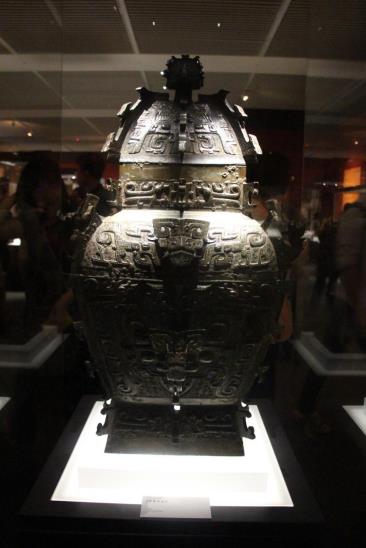
 Bronze dish Fang Qian, Shang Dynasty, Hunan Provincial Museum.

  In 1919, Qijiahe, Taoyuan County, Hunan Province, unearthed a large, majestic and exquisite bronze square mound, which was called "dish square mound" because of its inscription. This Qian is a representative work of bronze wares in China in the late Shang Dynasty and early Western Zhou Dynasty. 

  At that time, the land of China was devastated and its civilization was not prosperous. Unfortunately, the body was exiled overseas, passed on to antique dealers in several countries, and drifted to foreign countries in Asia, America and Europe. The lid has been kept in private hands in China, and it was nationalized in 1952. In 1956, the Hunan Provincial Cultural Management Committee handed it over to the Hunan Provincial Museum for collection. In the early 1990s, Japanese collectors interacted with provincial museums several times, and both sides tried to combine the artifacts in their own ways, but they failed.

  In 2013, the dish square reappeared in the international auction market, and will be officially auctioned in the United States in March 2014. In order to prevent cultural relics from being displaced overseas, under the coordination of National Cultural Heritage Administration and with the support of Hunan Provincial Party Committee and Government, Hunan Province sent a delegation to new york to discuss the return of cultural relics. In the end, with the goodwill of all parties, the original auction plan was cancelled and the vessel was returned to the embrace of the motherland. On June 28, 2014, all sides of the dish day bowed their heads and entered the Hunan Provincial Museum, and finally completed this century-long road of return.

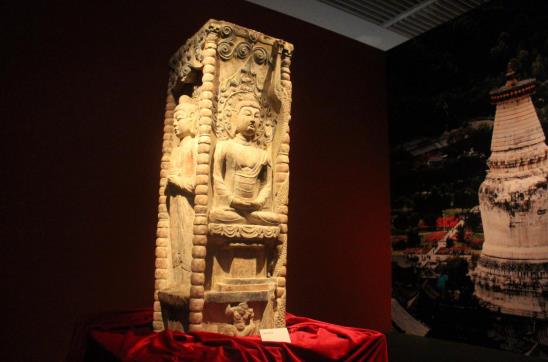
 Dengyu Stone Tower, Tang Dynasty, Shanxi Museum.

  In 1998, the stone pagoda in Dengyu was stolen and moved to Taiwan Province, China. In 2015, it was donated to Zhongtai Temple by private collectors. The abbot, the founder of the temple, felt that the elder was willing to donate the tower back after learning that it came from Shanxi. National Cultural Heritage Administration attached great importance to the relevant information, and immediately organized an expert group to carry out investigation and verification, on-site evidence collection, and coordinated the Shanxi Provincial Bureau of Cultural Relics and Zhongtai Temple to jointly carry out historical records research, identification and comparison, and finally confirmed that the stone pagoda in Zhongtai Temple was indeed the stolen tower of Dengyu Stone Pagoda. In August 2016, Shanxi Museum and Zhongtai Temple signed the Agreement on Donating Cultural Relics. In January 2017, the tower arrived in Shanxi Museum and finally returned to his hometown after 20 years of disobedience.

  Dengyu Stone Pagoda, located in Dengyu Village, Yushe County, Shanxi Province, is a four-faced Buddha statue tower carved with stones and painted in Tang Dynasty, which consists of four parts: base, tower body, tower eaves and tower brake. The stone pagoda is a masterpiece of Buddhist stone carving art in the prosperous Tang Dynasty, with its solemn and simple shape and rich body-building in high relief.

  Taiwan Province and the mainland belong to the same China, and the two sides of the strait are of the same ancestry and culture. The tower safely returned to its hometown, drawing a satisfactory end to the anxiety of leaving home for many years. This is another landmark event that remains in the hearts of people on both sides of the strait and is recorded in the history of cross-strait cultural exchanges.

 Bronze Tiger Gun, Western Zhou Dynasty, China National Museum.

  Bronze Tiger Gun is a cultural relic in the late Western Zhou Dynasty, which was originally collected in Yuanmingyuan. In 1860, the British and French allied forces looted Yuanmingyuan, among which the bronze tiger was taken away by Harry Evans, a British naval officer, and brought back to Britain.

  In March, 2018, the news that the tigers of Yuanmingyuan will be auctioned in Britain triggered strong repercussions from all walks of life in China, deeply affecting the heartstrings of domestic people and patriotic overseas Chinese. Knowing that Tiger Gun was backward, National Cultural Heritage Administration immediately carried out information collection, consultation and negotiation, coordination and linkage, publicity and guidance, and comprehensively used various channels such as diplomacy, commerce and public opinion to actively promote the return of bronze Tiger Gun.

  At the end of April, 2018, the overseas buyers of the bronze Tiger Gun expressed their willingness to donate cultural relics to National Cultural Heritage Administration, China. On September 21, 2018, the delegation of National Cultural Heritage Administration held a donation reception ceremony for the tiger sole in the British Embassy of China. In December, 2018, the bronze tiger tiger was officially admitted to the National Museum of China.

 Zeng Boke’s father bronze assembly, early Spring and Autumn Period.

  At the beginning of March 2019, National Cultural Heritage Administration learned that a Japanese auction house planned to auction the bronze assembly of Zeng Boke’s father, which was suspected to have been lost in China, and immediately organized a team of experts to study the bronze assembly, confirming that it was a cultural relic illegally left the country after the tomb of Zeng Guo in Hubei Province was recently stolen, and then jointly pursued recourse with the public security department through criminal and diplomatic channels.

  On March 9, National Cultural Heritage Administration officially sent a note to the Japanese Embassy in China, demanding that the Japanese government return the cultural relics lost in China in accordance with relevant international conventions. On the same day, Japanese auction companies publicly announced that they would withdraw the bronze assembly. Subsequently, representatives of the Chinese and Japanese governments jointly met with representatives of auction enterprises, and the public security organs intensively promoted the investigation of cultural relics smuggling crimes, which eventually led to the entrusting party of bronze assembly auction handing over cultural relics to the state free of charge.

  The bronze assembly of Zeng Boke’s father was cast by Ke Fu, a high-ranking aristocrat in the State of Zeng in the Spring and Autumn Period. It includes eight pieces in six categories, including ding, GUI, pot, pan, pheasant and cup. It is rich in categories, exquisitely cast and well preserved. Each bronze has an inscription, totaling 330 words, which contains rich historical and cultural information. The artifacts of "Father Zeng Boke" have not been found in archaeological discoveries at present, which is of great academic value for studying the history and culture of the Spring and Autumn Period, the patriarchal clan system of Zeng State, and the dating and casting technology of bronzes.

  At that time, every cultural relic was burdened with the weight of the times and the sorrow of the nation; Returning today, what each cultural relic has written is the road to revival and the dream of China.

  It is reported that the exhibition will last until the middle and late November.

Beijing: More than 310,000 people in Mentougou were affected by heavy rain, accounting for 77% of the population in the region.

  From 20: 00 on July 29 to 7: 00 on August 2, Beijing suffered a torrential rain that was rare in history. On August 9, the Information Office of Beijing Municipal People’s Government held a press conference on flood control and disaster relief in Beijing.

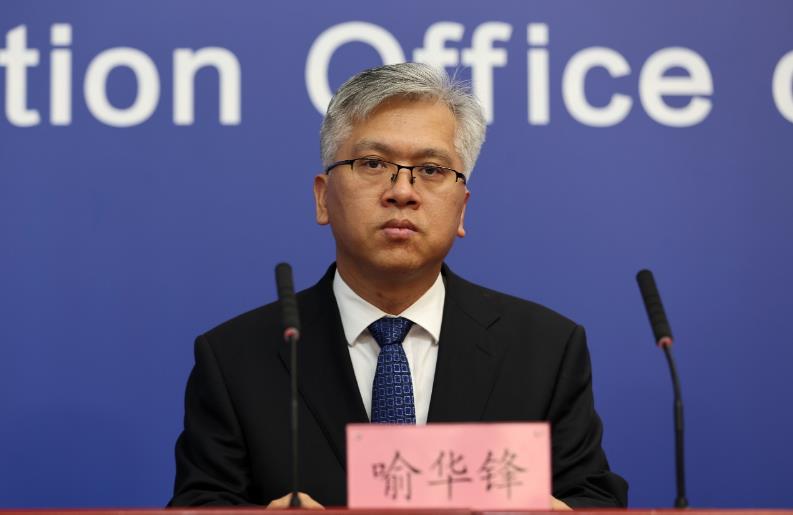
  Yu Huafeng, secretary of the Mentougou District Party Committee, said that this extremely heavy rainfall, which is rare in history since July 29, has caused Mentougou District to encounter the natural disaster with the strongest damage, the widest disaster range and the greatest economic loss on record.

  According to preliminary statistics, there are about 310,000 people affected by the disaster, accounting for 77% of the total population. 8,418 houses were damaged and 26,493 houses were seriously damaged; Urban and rural roads, electricity, water supply and drainage, communications and other infrastructure have been largely damaged; There are 40 villages in the whole region that need to be rebuilt, such as the well-known Tanzhesi town, where 47% of the villages were completely affected, and all 16 villages and 4 communities in Wangping town were affected, among which 11 villages need to be rebuilt. This flood has brought great losses to people’s lives and property.

How to carry out the wall decoration planning of rough houses and save costs? What are the main points of such decoration planning?

The wall decoration planning of blank houses needs to ensure the decoration effect and save costs, among which many points are worthy of attention.

Before starting the wall decoration, we should first conduct a comprehensive inspection of the wall condition. Carefully check whether the wall surface is smooth, whether there are cracks, empty drums and other problems. You can use a ruler to check the flatness of the wall surface, and tap the wall surface with a small hammer to check whether there is an empty drum. If the deviation of wall flatness is large, more materials may be needed for leveling in the later stage, which will increase the cost; If the empty drum part is not treated in time, it may lead to problems such as wall paint falling off.

Choosing suitable wall decoration materials is the key to saving costs. There are many kinds of wall decoration materials in the market, such as latex paint, wallpaper and diatom mud. Latex paint is relatively close to the people, with high cost performance, relatively simple construction and convenient later maintenance. Wallpapers are rich in patterns, which can create different decoration styles, but the prices are quite different and the quality is uneven. Diatom mud has certain environmental protection function, but its price is generally high. The following is a comparison of several common wall materials:

Material name Price range advantage disadvantage? latex paint 200-1000 yuan per barrel. Affordable, simple in construction and easy to clean. There are relatively few color and pattern choices. wallpaper 50-500 yuan per roll. Rich patterns and diverse styles. It is easy to become warped and moldy after being damp. diatom ooze 100 per square meter-500 yuan. Environmental protection, can absorb harmful substances. High price, not resistant to dirt.

In the process of construction, there are also some cost-saving methods. If the smoothness of the wall is good, the process and material consumption of the wall base treatment can be reduced. For example, if the error of the wall surface is less than 5mm, it can be leveled directly with putty without using cement mortar for large-area leveling. In addition, buy materials by yourself, find a professional construction team to carry out the construction, and avoid letting the decoration company arrange the procurement of materials, so as to better control the cost of materials. At the same time, in the process of construction, we should supervise the construction quality to avoid rework and increase additional costs due to improper construction.

The design and planning of the wall should be determined according to the overall decoration style and budget. If the budget is limited, you can choose a simple design style to avoid too complicated modeling and decoration. For example, using a single color latex paint with simple decorative lines can not only create a simple and generous effect, but also save costs.

In the process of decoration, you can also pay attention to the promotional activities and group purchase information of materials. Many merchants will launch preferential activities on holidays or in a specific period, and buying materials at this time can save a lot of money. Participating in group buying activities can also buy better quality materials at a lower price.

The wall decoration planning of rough houses should comprehensively consider the wall condition, material selection, construction technology and design style, and save costs to the greatest extent through reasonable planning and methods on the premise of ensuring the decoration quality.

(Editor: He Xian)

[Disclaimer] This article only represents the author’s own views and has nothing to do with Hexun. Hexun.com is neutral about the statements and opinions in this article, and does not provide any express or implied guarantee for the accuracy, reliability or completeness of the contents. Readers are requested for reference only, and please take full responsibility. Email: news_center@staff.hexun.com.

A 22-year-old teacher in Henan was killed by a 70-year-old man driving an "old man’s music". Family: No apology has been made so far.

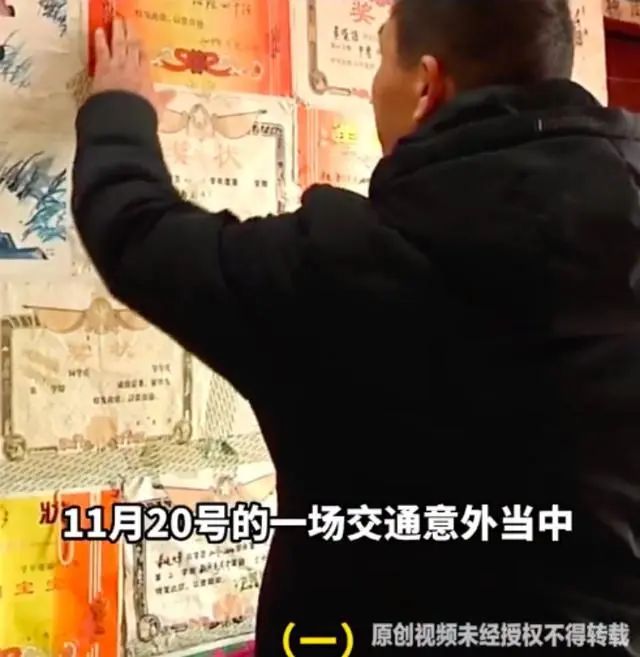
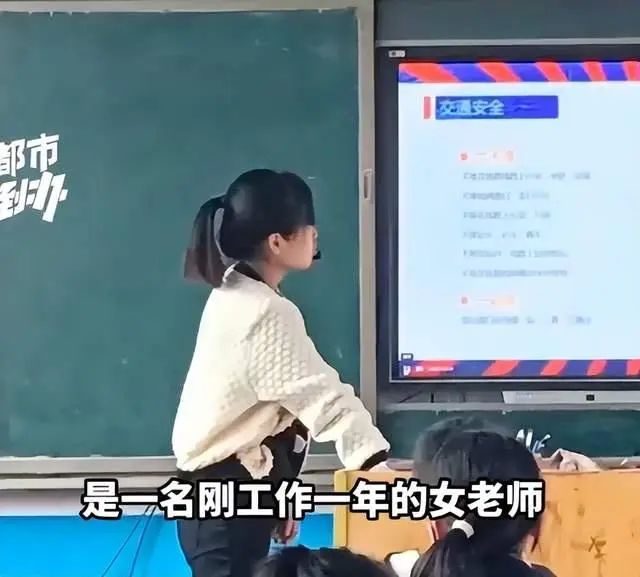
According to City Channel, on December 18th, Xiao Chan, a 22-year-old female teacher in Nanyang, Henan Province, was a female teacher who had just worked for one year. She was excellent in both character and learning since she was a child. Because she bought food once, her life stopped in a traffic accident on November 20th forever.

Xiao Chan menstruation said that the child left too suddenly. "There is a big hole in the head, and the nose and mouth are full of blood."

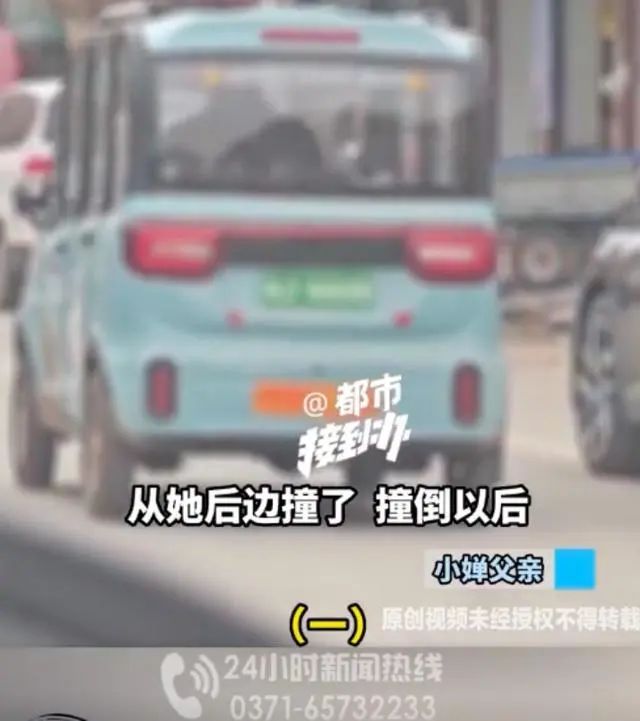
"The sky at home seems to have collapsed, and I still think about my daughter as if she were alive." Xiao Chan’s father told reporters that Xiao Chan was knocked down by an "old man’s music". After being hit, Xiao Chan was dragged for several meters because the car didn’t stop. Finally, the chassis girder of the car is pressed against Xiao Chan’s head.

It is reported that this accident caused one death and one injury. The perpetrator was an old man in his 70 s. The road traffic accident certificate showed that Li violated three regulations and took full responsibility for this accident.

"I am in my 70 s, and I don’t turn on my headlights at night. I didn’t stop after hitting someone." Xiao Chan’s mother said.

Xiao Chan’s parents told reporters that after the accident, they did not see the party who caused the accident, but only met the family of the old man Li with the help of the traffic police department. There was no progress in the on-site negotiation, and there was no news after that. Li’s family did not come to express their apologies.

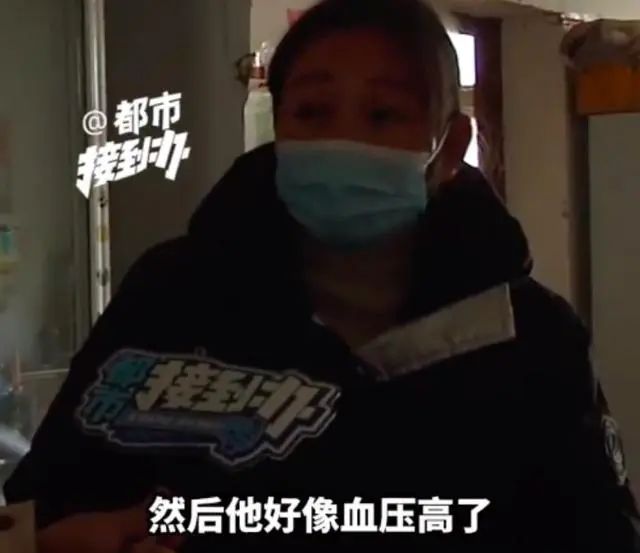
The reporter and Xiao Chan’s family found Li’s daughter. The other party said that her father was not at home, and she couldn’t do anything about it. "My father is in poor health now, and he has a problem with cerebral hemorrhage. He was suddenly frightened and then his blood pressure was high."

Li’ s daughter said that she knew that he had a disease, but there was nothing at ordinary times, so she asked her father to drive. The reporter asked the other party what his attitude was to this matter, and Li’s daughter said, "I am very sorry about this."

Xiao Chan menstruation disagreed. "I was hit like this. I didn’t see anyone in your family go to my sister’s house to see it. No one went to the hospital to see it. No one saw you repent."

Li’ s daughter thinks that she can’ t bear this alone, and she doesn’ t contact her father at ordinary times. "It’ s nothing, I don’ t contact him." The reporter questioned, "How can you say that there is nothing wrong with such a big thing?"

Subsequently, Li’ s daughter lied that she took the reporter and Xiaoyan’ s family to find her father Li, but she fled directly on an electric car.

"She said she repented, but her attitude didn’t show at all." Little Chan menstruation cried and said that she had no sincerity in running away from us so quickly.

In this regard, police officer Li of Xinye County Traffic Police said that you can go to the judge in charge of the case to ask about the situation.

Lawyers said that although the elderly are over 75 years old, they still have to bear the responsibility of illegal crimes, but they can be given a lighter punishment or mitigated punishment within the scope of legal sentencing.

Finally, the reporter and Xiao Chan’s family found the secretary of the local village committee. The other party said that they would help to contact the old man Li and his family and let the two sides sit down and negotiate.

Accelerate the retreat of "old man music" throughout the country

From January 1, 2024, illegal electric three-wheeled and four-wheeled vehicles will be completely banned. Not only Beijing, but all parts of the country are accelerating the retreat of "Old Man Le".

As early as 2017, a statistical data released by the Ministry of Industry and Information Technology showed that there were 830,000 traffic accidents involving low-speed electric vehicles in five years, resulting in 18,000 deaths and 186,000 injuries.

According to the Beijing News reporter’s experience, the "Old Man Le" has poor stability and is easy to float and tilt. Some doors have obvious plastic feeling, even if they are made of iron, but the overall texture is poor. There is no most basic seat belt inside, and there is no airbag and child seat interface. The gap in the door is obviously large, and the place with large gap can even be stuffed with fingers; It takes a lot of effort to close the door, and it is not easy to close it at once. In addition, the sound insulation effect of the vehicle is poor, and the external sound will have a great influence on the driver when driving; Moreover, the quality of the front windshield is worrying, and it is obviously reflective and scratched, which can’t meet the standard of automobile glass.

According to the Beijing Evening News, in 2022, there were 131 traffic accidents involving illegal electric tricycles and wagons in Beijing, with 138 deaths.

On April 12, the Beijing Municipal Traffic Management Bureau once again stressed that since January 1, 2024, illegal electric three-wheeled and four-wheeled vehicles are not allowed to drive on the road, and they are not allowed to park in public places such as roads, squares and parking lots. Any of these vehicles illegally driving or parking on the road will be investigated and dealt with by the police according to law.

In addition, Jiangsu, Anhui and other places have also begun to strictly control the "old man music" in different ways this year.

Source: Dawan News Integrated Metropolitan Channel, Beijing News, Beijing Evening News, China Xiaokang.com, etc.

Original title: "A 22-year-old teacher in Henan was killed by a 70-year-old man driving an" old man’s music ".Family members: We have not apologized so far, and we can’t find anyone."

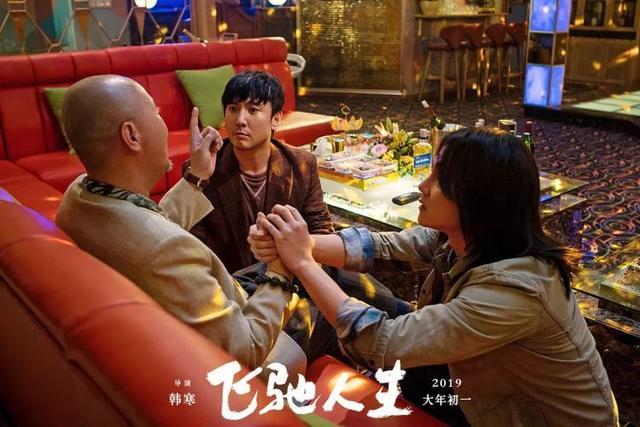
A full analysis of the eggs in Flying Life, did Shen Teng die in the end?

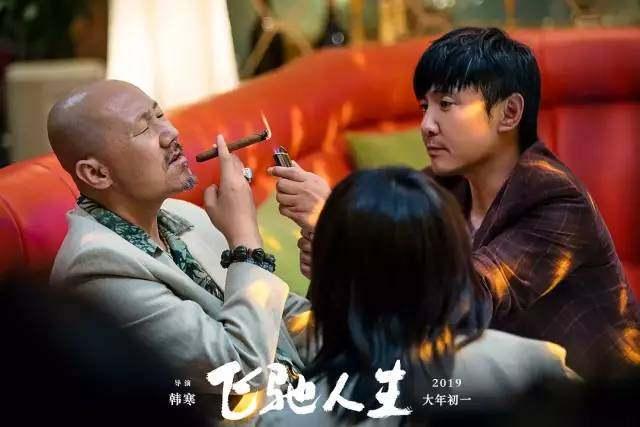
In this year’s Spring Festival, one person’s name has to be mentioned, and that is Han Han.

After the first two successes, Han Han is more powerful and confident this time.

The movie "Flying Life" has been released for two days, and the box office has exceeded 400 million+.It is predicted that the final box office is likely to break 2 billion.

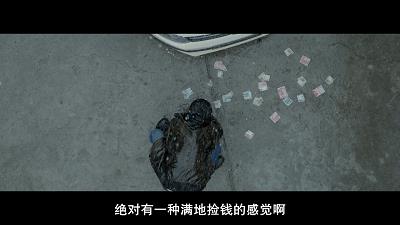
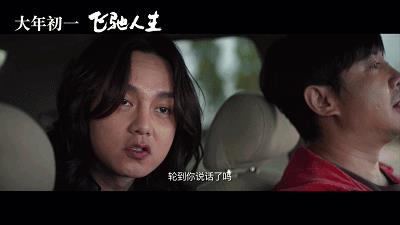
What surprised Basijun even more was that Han Han not only found his own comedy style, but also planted many eggs in this "Flying Life".

Come, follow in the footsteps of Basijun and take you to collect the hidden eggs of Flying Life!

1. Narcissistic director

At the beginning of the movie, Zhang Chi recalled his racing enlightenment with a constipated face and mentioned his original idol. In turn, famous racing drivers flashed across the screen.

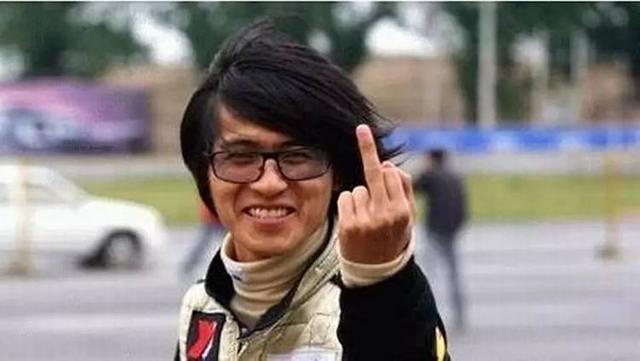
Sharp-eyed friends should have found out that Han Han actually put his beautiful photos in.

2. Mysterious narration

Han Han often appears in his own movies in the form of sound.

In his first film "See You Later", Ma Haohan braved the heavy rain and ran into the toilet. He just got off the bus and received a sales call. Han Han’s voice came from the phone.

In "Flying Life", Han Han put away his funny talent and fully demonstrated his racing professional interpretation skills.

In the last 20 minutes of the movie, the narrator has always been Han Han. Have you noticed?

3. Huayang Gao

As a great teammate of Han Han 333, Huayang Gao was affectionately called "low-profile Shawn Yue" by fans for his handsome appearance.

Huayang Gao is well known to the audience, mostly thanks to Han Han. He is Hu Sheng in See You Later, June 1st in Riding the Wind and Waves, and a master of success in Flying Life.

slim lotus leaf, not yet unfurled, scarcely appears

Many fans not only wonder why Huayang Gao’s role has no name this time, but also why the relationship between them has faded.

Of course not. His name was given to another plump body-Xiaoxing Yi the beast.

The name of the overturned driver played by the beast in the film is Huayang Gao.

4. Johnny and YIN FANG

Last year’s Spring Festival file gained a lot of popularity for the best CP.

In Operation Red Sea, Johnny plays a sniper and YIN FANG plays a sniper observer; This time, in "Flying Life", Johnny plays the racing driver and YIN FANG plays the pilot.

It seems that the two will be packaged and sold in the future.

5. Charlotte and Yuan Hua and Teacher Wang.

Mahua FunAge series actors also made great efforts in "Flying Life".

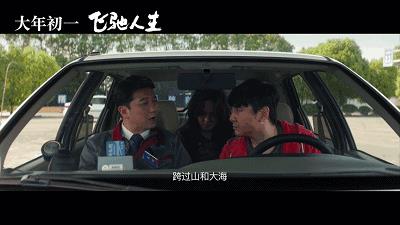
The trio of teachers and students in "goodbye mr. loser" meet you in a different teacher-student relationship in "Flying Life"-driving school teachers and students.

In goodbye mr. loser, Mr. Wang was severely abused by Charlotte, but in this Flying Life, he was still severely abused by Zhang Chi.

6. Racing car number six

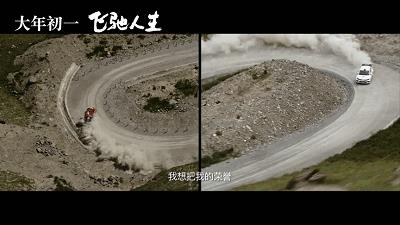
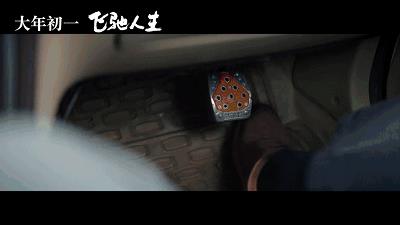
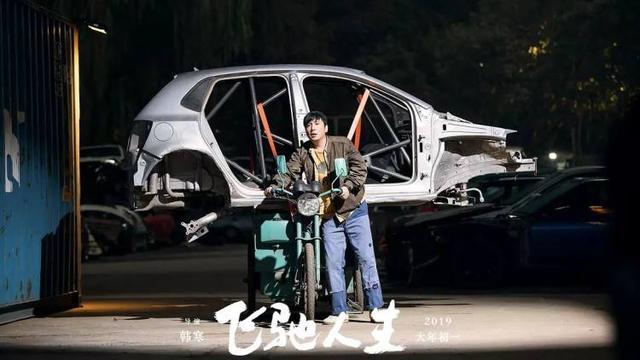
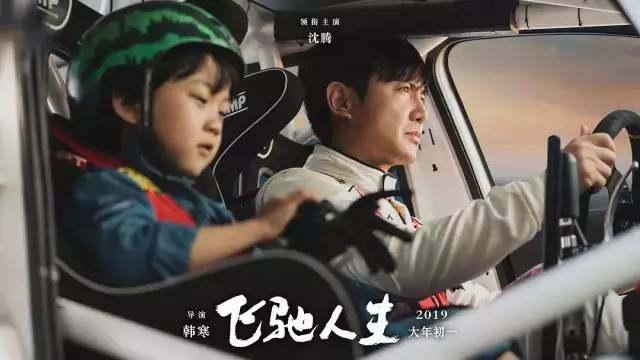
In the movie, Zhang Chi drives a racing car with the number 6, which is assembled from a broken frame into a powerful racing car.

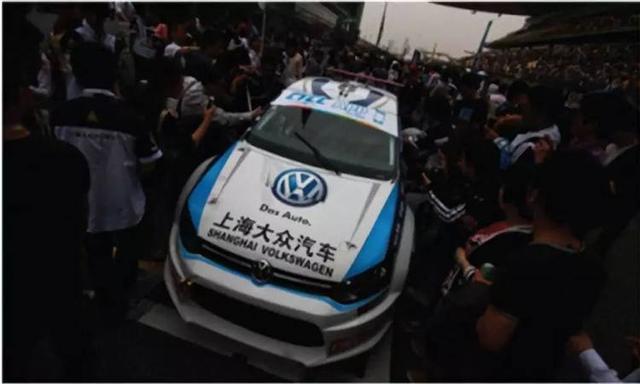
The prototype of this car is Han Han’s No.6 racing car.

This car has been neglected by the team because of its untidy appearance, and then it was pulled to the track by chance in a hurry, and then it became a golden partner with Han Han.

Han Han won the 2012 Shanghai International Racing Championship with this No.6 car. This car was officially retired due to the change of the rules of the CTCC championship, and Han Han kept the car number.

7. Rally racers hit trees

After the last rally started, the first runner hit a tree, and the film gave the driver and the car more than one shot.

This is actually Han Han’s self-mockery. On the first day of CRC Xuecheng Station in 2010, Han Han drove a racing car and stuck his foot on the tree.

8. The drainage channel is bent

In the final competition, in order to catch up with Lin Zhendong in time, Zhang Chi used a set of cornering stunts that the audience are very familiar with-the drainage channel cornering.

Jay Chou fans will definitely smile when they see it.

We have seen this scene in the 2005 film "Initial D".

9. Tengger singer

As early as last September, Han Han broke the news in Weibo that Mr. Tengger singer would play "Flying Life", but kept the role secret.

Originally thought that Mr. Tengger singer would play a prairie singer, but as a result, Han Han arranged a very grandiose big brother role for Mr. Tengger singer. It was with the sponsorship of this big brother that Zhang Chicai got a racing car. (The requirement is that he has to tattoo the name of his eldest brother and girlfriend on his racing suit.)

More interestingly, Teacher Tengger singer actually said in the movie that "I can’t sing well".

Those lip-synching troubles come out and get beaten.

10. Music stalk

The theme song "Ordinary Road" became a hit after "See you later", but in "Flying Life", this song was broken by the trio of teachers and students.

Team manager and Zhang Chi met on the rooftop, and they indulged in days of our lives to commemorate their glorious days. Although their Cantonese is really poor.

"How are you, Big Brother", in the process of sponsorship by Zhang Chi and Sun Yuqiang, in order to get sponsorship, the two became the licking dogs of Big Brother Tengger singer, and a song "How are you, Big Brother" successfully brought the teacher Tengger singer to tears, and the two of them raised more than 1 million sponsorship fees.

And there is a song in the film that appeared twice and was full of laughter, that is, "I really love you."

11. 1246

When Zhang Chi wanted to compete again, she designed a new team uniform for herself and Sun Yuqiang, with the words ""1246gogogo"" printed on it.

This number certainly has its own meaning.

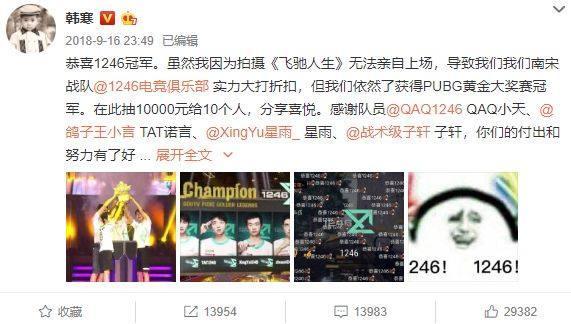
"1246" is an e-sports club founded by Han Han himself, which is also Han Han’s nostalgia for the disbanded 1246 Watch Pioneer branch.

12. Watch the Pioneer

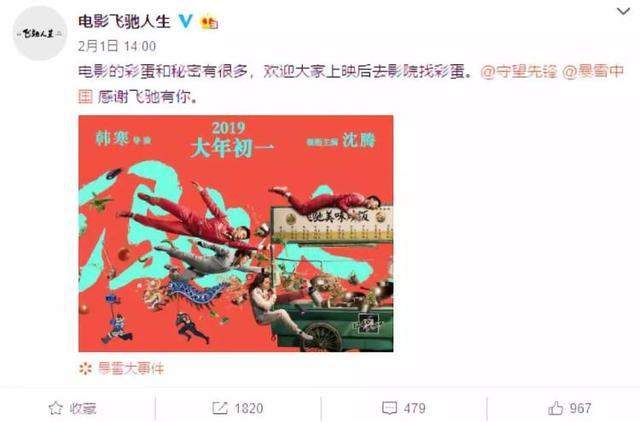
On February 1st, Guan Wei of "Flying Life" sent out a movie poster and invited Watch Pioneer and Blizzard China. Some watch pioneer fans almost cried after seeing it.

The elements of "Watching Pioneer" in the poster can be clearly seen: this year’s Spring Festival activity "Fu Gou Gong Chun", pigs, squid, Xiaomei and soldier 76′ s dragon dance painting.

13. Heroes never die

At the end of the film, Zhang Chi raced with his son and a plane. Finally, his son Zhang Fei threw a coin into the car, and the car became a plane and flew into the sky.

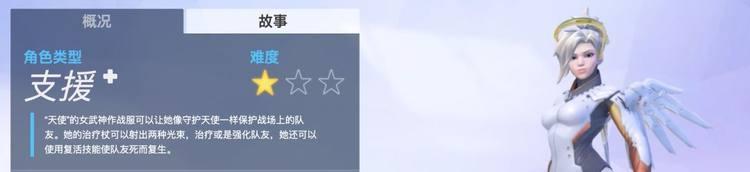
At this time, there is a phrase ""Heroes never die"" in the background music, which is the voice of the role "Angel" in Watching Pioneer, and the big move of this role is to resurrect a teammate.

The most important egg in the film also explains the open ending of the film-

Zhang Chi rushed out of the track and rushed to the sea, but he died unfortunately.

Zhang Chi promised his son that after winning the competition, he would race with his classmate’s father. But now that his father is dead, his son can only fulfill his wish through this fantasy, so the last scene is also an unrealistic animation form.

Zhang Chi finally gave his life and completed his flying life for the cause he loved.

China’s self-developed shield machine for the world’s largest diameter high-speed rail-Chongtai Yangtze River Tunnel "Pilotage" completed the cutter head welding.

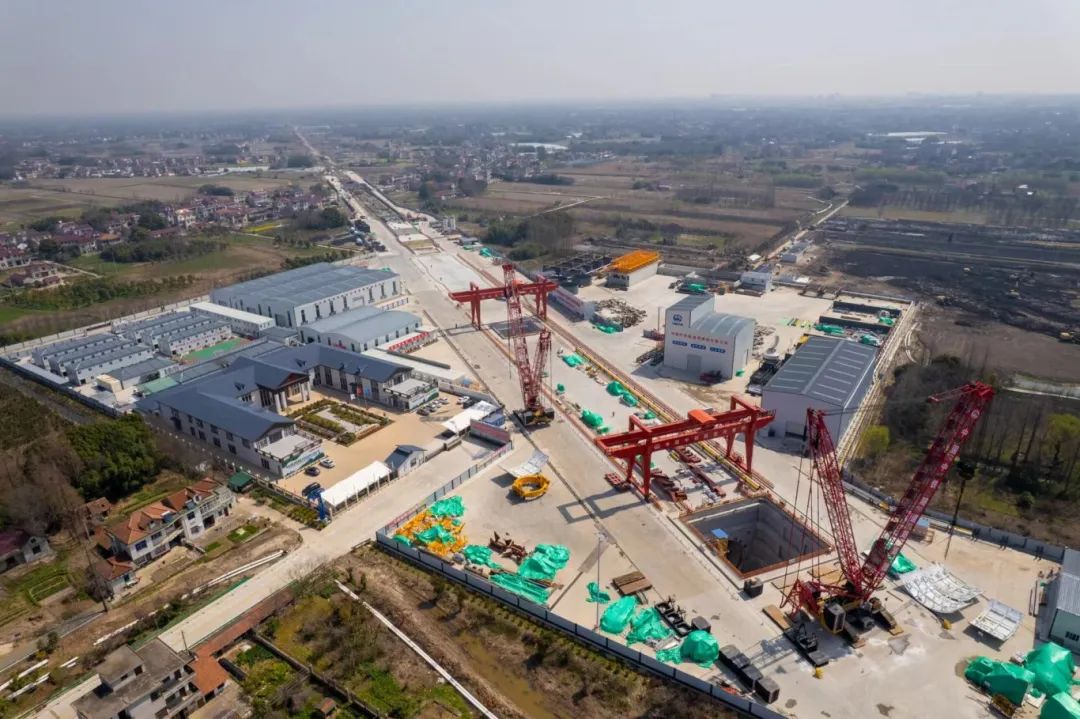
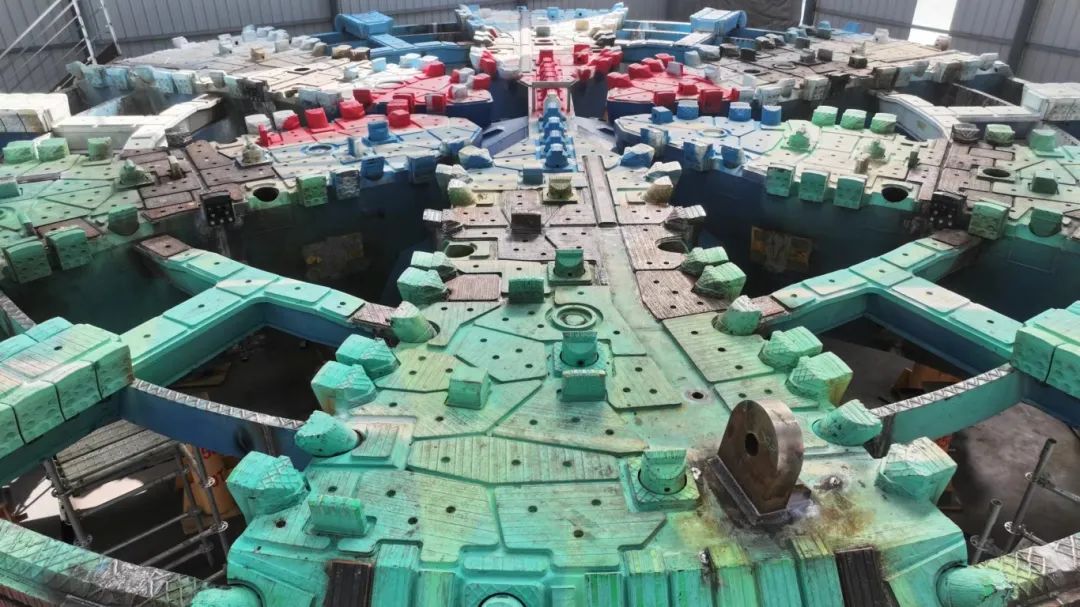
China Railway Shanghai Bureau Group Co., Ltd. introduced that recently, the shield machine "Pilotage" of Chongtai Yangtze River Tunnel, the world’s largest diameter high-speed rail shield machine independently developed by China, completed the cutter head welding and will be used for the construction of the new Shanghai-Nanjing-Hefei high-speed rail Chongtai Yangtze River Tunnel. The tunnel connects Chongming District of Shanghai and Taicang City of Jiangsu Province, with a total length of 14,250 meters and a design speed of 350 kilometers per hour. See ↓

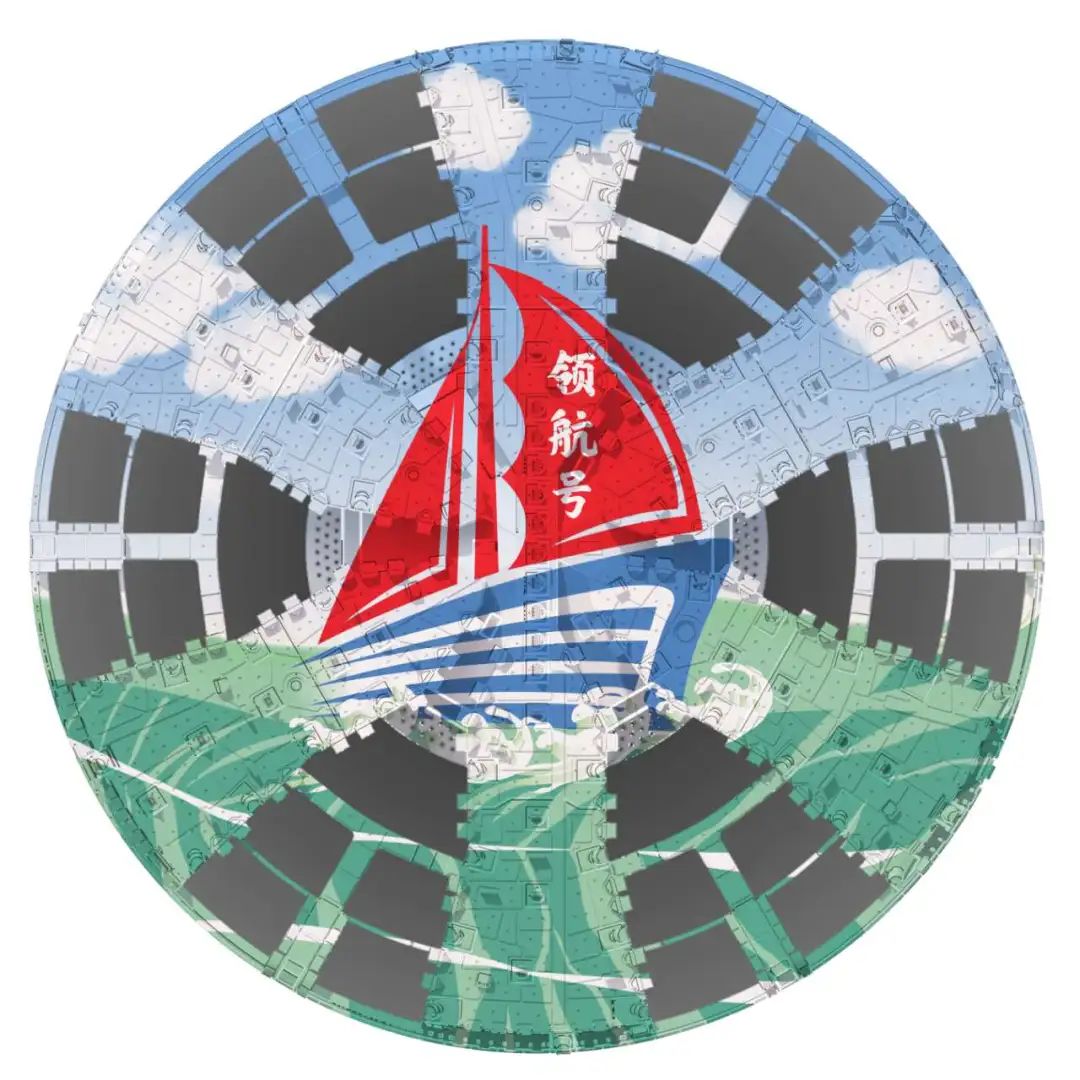
The cutter head of "Pilotage" shield machine has a diameter of 15.4 meters and a total weight of 440 tons. After the cutter head is welded, the cutter head will be subjected to ultrasonic flaw detection, flatness, roundness and cutter head painting for all-round "physical examination" to ensure the smooth combination of the cutter head and the main engine.

Chongtai Yangtze River Tunnel is the control project of Shanghai-Nanjing-Hefei high-speed railway, and it is also the project with the longest contract period. The tunnel connects Chongming District of Shanghai and Taicang City of Jiangsu Province, with a total length of 14,250 meters and a design speed of 350 kilometers per hour. It is a single-hole and double-line design, and it is the world-class high-speed rail cross-river tunnel project with the highest construction standard, the longest driving distance and the largest scale. Chongtai Yangtze River Tunnel is constructed by cut and cover and shield method.

It is reported that the "Pilotage" shield machine will start from No.3 well in Chongming District, Shanghai, and tunnel 11,325.5 meters across the Yangtze River to No.2 shaft in Taicang City, Jiangsu Province. The shield construction has the characteristics of large section, high water pressure, complex geological conditions, long shield tunneling distance and sensitive environment.

Shanghai-Nanjing-Hefei high-speed railway is the eastern route of Shanghai-Chongqing-Chengdu high-speed railway and an important part of the national "eight vertical and eight horizontal" high-speed railway network along the Yangtze River, which undertakes the transportation of the main road network passenger flow along the Yangtze River and the coastal and Beijing-Shanghai passages directly to Shanghai. After the completion of the project, a fast new channel will be built between Shanghai metropolitan area, Nanjing metropolitan area and Hefei metropolitan area, which is of great significance for optimizing the layout of railway network along the Yangtze River, serving the coordinated development of the Yangtze River Economic Belt and promoting the high-quality integrated development of the Yangtze River Delta.

Original title: "The world’s largest diameter high-speed rail shield machine independently developed by China-Chongtai Yangtze River Tunnel" Pilotage "completed cutter head welding"

Read the original text

Baojun Yueye/Yueye Plus is listed for less than 100,000 yuan and has four seats.

Wuling and Baojun, two brothers, are very active in the pure tram market. Unlike many car companies that make compact cars and SUVs, their cars are particularly popular. The family recently went public, including the 2024 Baojun Yuehe.

Bao jun yue ye Plus

Among the Yueye family listed this time, Yueye Plus is obviously the one that attracts more attention. Because this is a brand-new model with four complete doors, it is more in line with the demand of our domestic consumers for new cars. Even a personalized car can’t escape the category of daily use.

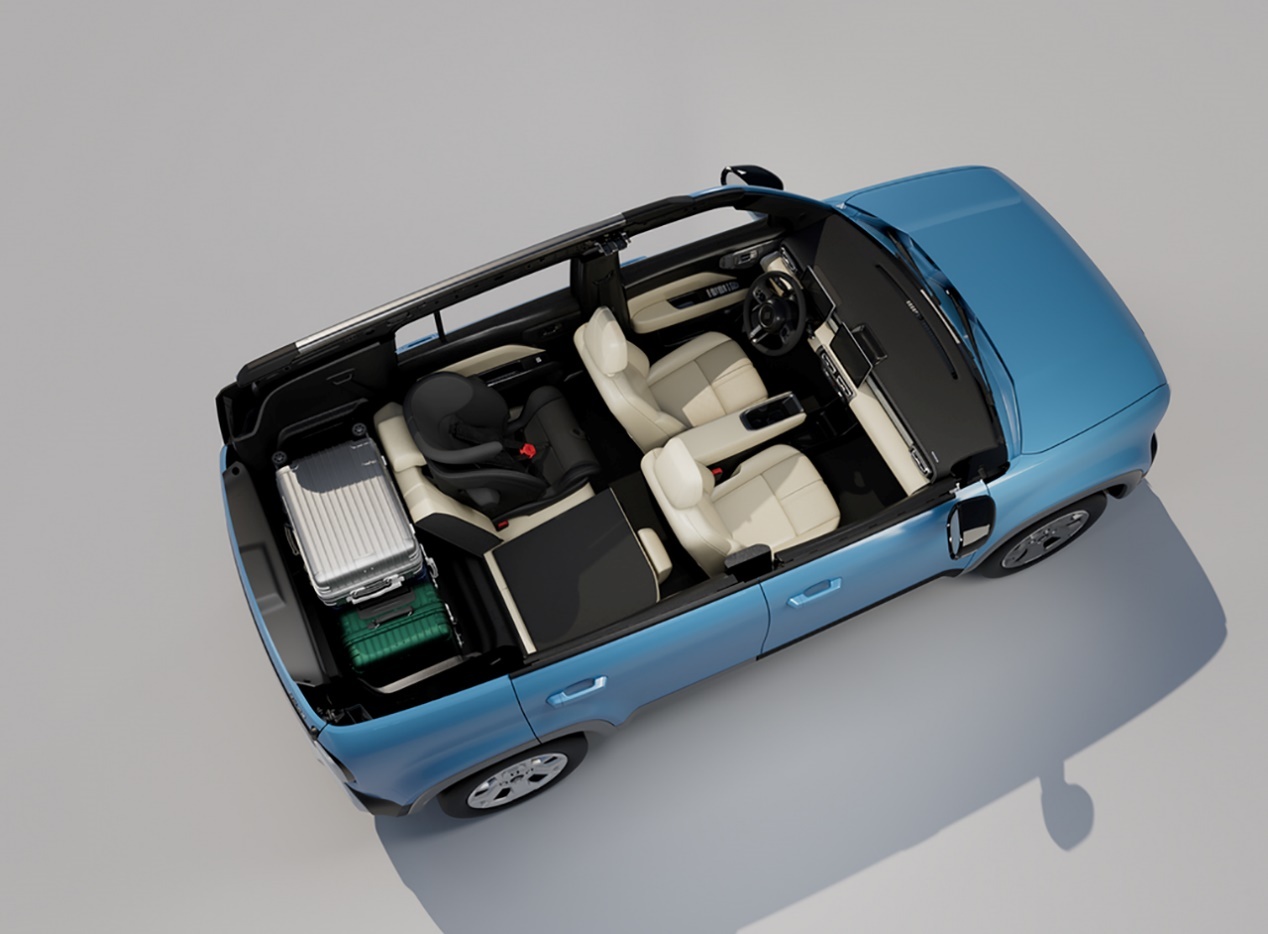
Yueye Plus is still positioned as a small car, but its body size has increased significantly, with a length of a little less than 4 meters, specifically 3996mm and a wheelbase of 2560mm, which is 615mm and 450mm higher than that of Tiffany Ting. If the tailgate is counted, the number of cars will increase from three to five. It is easy to distinguish in appearance.

This has also brought about an obvious increase in the space inside the car. Four people can sit down seriously, and there is still room for luggage in the trunk. This is very practical for our traditional Chinese family.

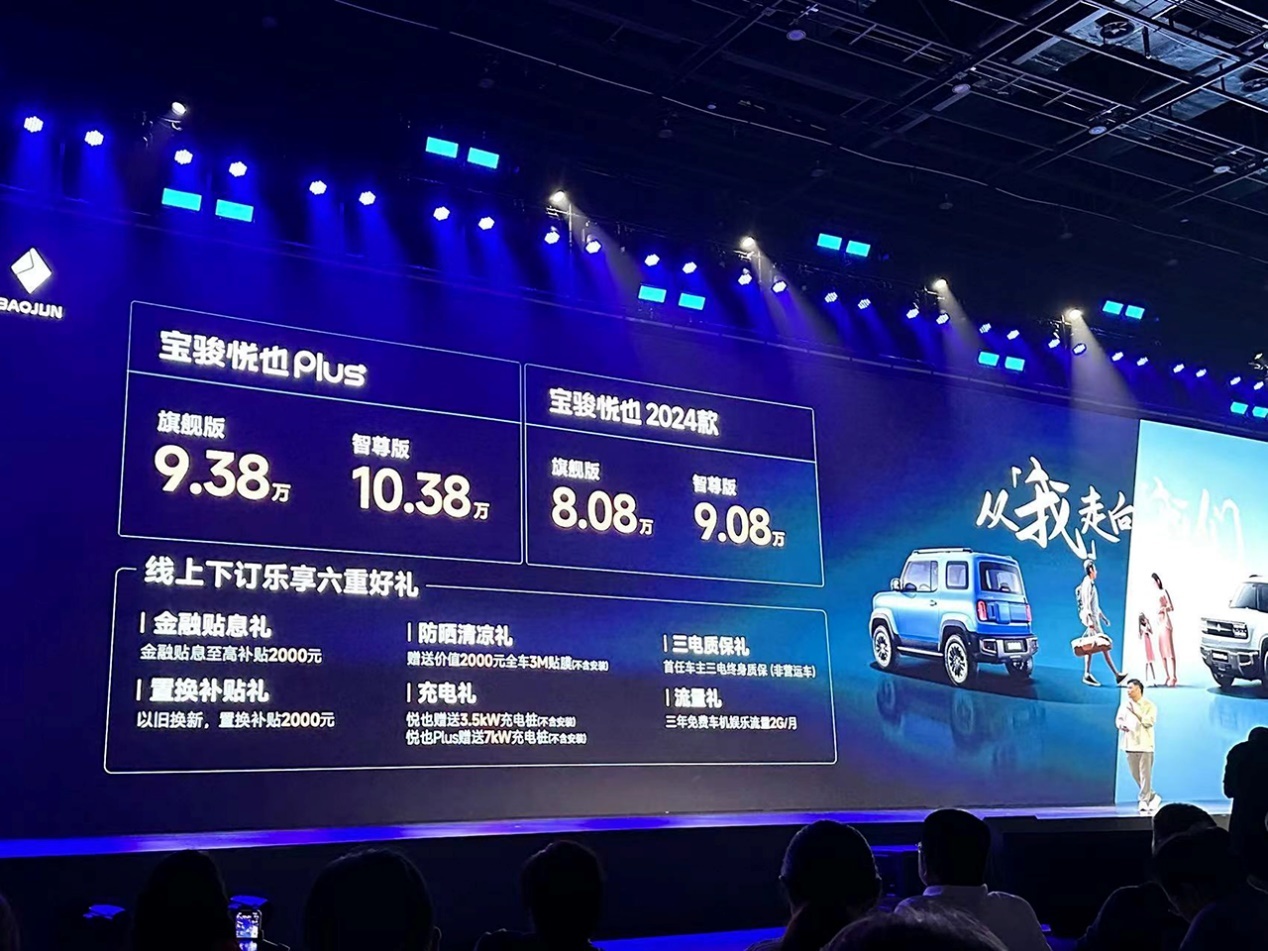
There are two versions in the whole system, the flagship version and the Zhizun version, with a guide price of 9.38-103,800 yuan, which is already the price level of an ordinary household compact plug-in car. Of course, the corresponding configuration has also changed. The battery capacity has become higher, reaching 41.9kWh, which can achieve 401km battery life under CLTC standard. At this price, such endurance performance is reasonable.

On the configuration level, the low-profile flagship version is equipped with front and rear radar, cruise control, keyless entry, external discharge, automatic headlights, induction wiper, electric folding/heating of exterior rearview mirror, electric adjustment of main driver’s seat and automatic air lift.

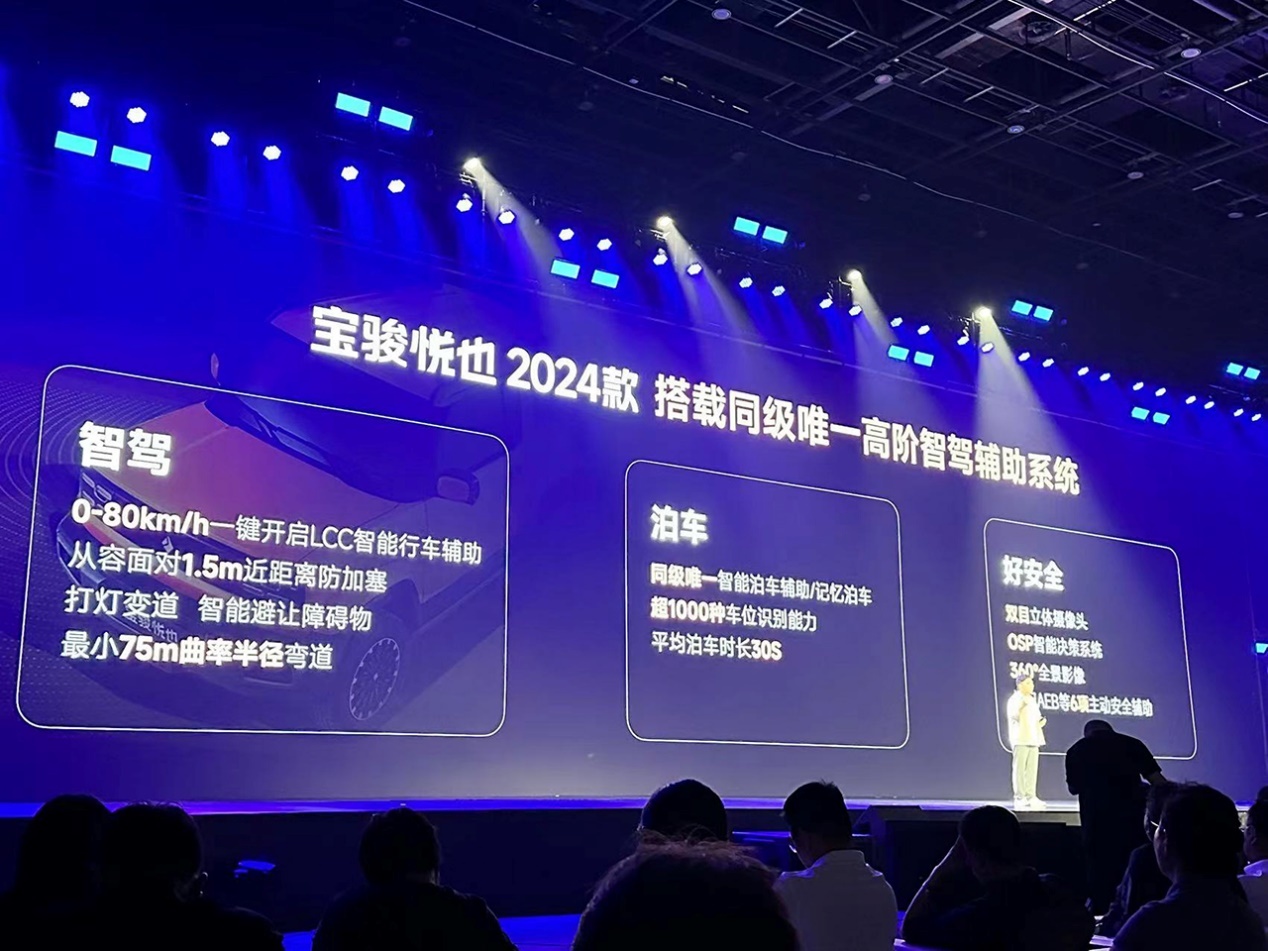
Wisdom Edition adds L2 driver assistance, transparent chassis and driving recorder. Among them, the most important ones are intelligent driving, high-speed navigation system, automatic lane change, entering and leaving ramps, tracking and reversing, remote parking and so on. The difference of10,000 yuan is actually mostly in the smart driving.

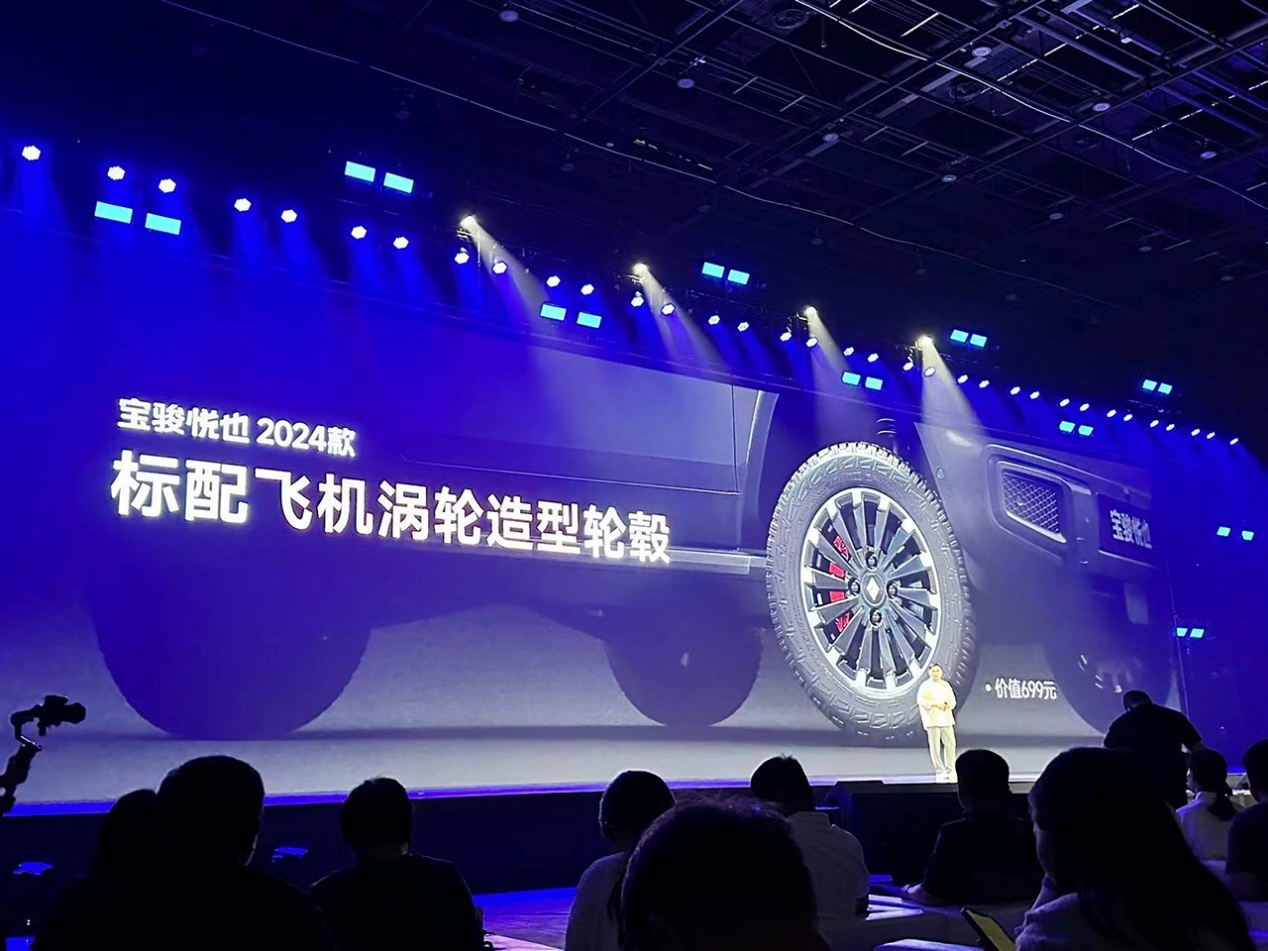
2024 Baojun Yueye

The new Yueye, that is, the two versions that existed before, has been updated this time, mainly in some details, and has remained basically unchanged. The most intuitive change is the change of wheel shape. It’s hard to say which one looks good, the old one or the new one. In addition, the color of the car has also increased three models, namely, Yunhai White, Mountain Fog Grey and Xiaguang Blue, with more choices.

The front central armrest box has been added to the interior of the car, which should be praised, especially for long-distance driving. It can also increase storage space. However, the price has also increased in 1000 yuan, which is somewhat smaller.

Generally speaking, Bao Junyue has not changed much, but the highlights are still those, such as the only intelligent driving ability at the same level, 50kW motor, 303km battery life, intelligent car system and good functional configuration.

As far as the price range of 80,000-90,000 is concerned, it is a very reasonable price with such performance and personalized body. But after all, it is a play-oriented model, and the sales volume is not much higher.

Who are competing products?

To say that the competing products of Baojun Yueye are actually not easy to find, most of them are ordinary family cars at this price, such as,, geometric E fireflies. BYD’s is relatively close.

But because of this, Yueye’s personalization is the first choice for many users who don’t like traditional cars or SUV models. They are usually young-minded, maybe they just graduated from college, or they are the second car at home. I don’t care much about battery life, space and face. Conversely, if there is a need for a family car and you want to have a long battery life, then Yue will be excluded from the first step.

Yueye Plus fills this gap well and is suitable for young consumer groups who are not bound by traditional ideas, pursue individuality and have certain family travel needs. They prefer to have the ability to travel by 3-4 people occasionally, and the battery life should not be too long. There is a little more space and go on road trip is more convenient. The budget of around 100,000 yuan is not expensive compared with Tiffany Ting.

Judging from the price and body parameters, it is a pity that neither Yue nor Yue Plus can apply for Shanghai brand for free in Shanghai. At present, among Baojun’s new energy sources, only it meets Shanghai’s free Shanghai brand application standard. Of course, in most parts of the country, you can enjoy the green card preferential policy.

Then there is smart driving, which is a major direction of the current "volume" of new energy vehicles. Whether it is Bao Junyue or Bao Junyue Plus, it is almost the strongest existence of 100,000 levels. The price to pay for this is also very small, about 10 thousand yuan.

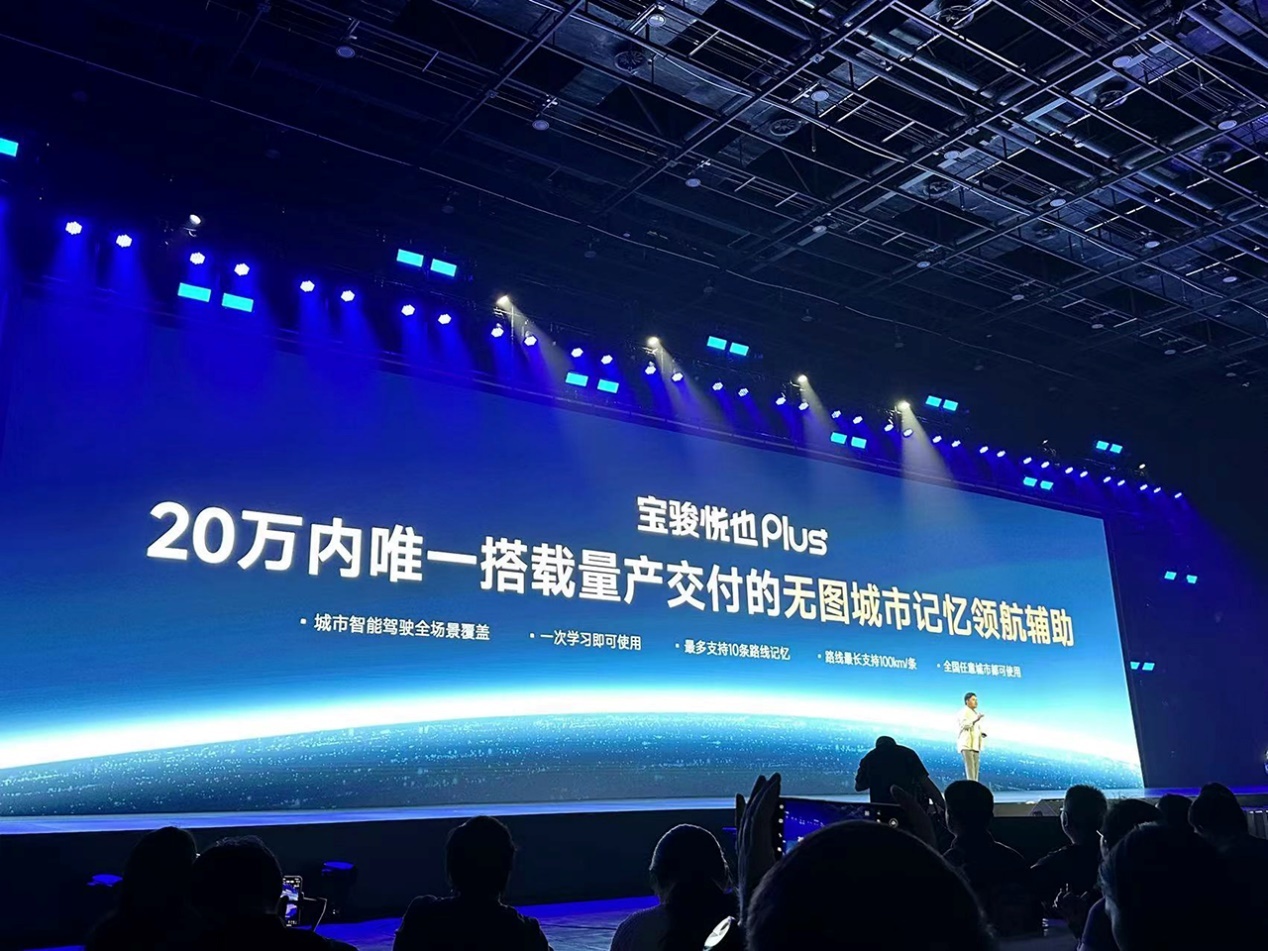
This time, the price of Baojun’s Yueye Plus is quite surprising, which is not much higher than that of Tiffany Ting. Not only is the car body lengthened, but the battery is also bigger, making it easier to use the car. Whether it is Bao Junyue or Bao Junyue Plus, they all have quite individual body design, and their performance and configuration are all ok. As said at the press conference, smart driving is their advantage. It is really rare to achieve high-speed NOA at this level.

All localities have stepped up efforts to support private investment and activate the "engine" of economic growth.

CCTV News:Private investment is the "engine" of economic growth. In the first half of this year, the growth rate and the proportion of private investment in the overall investment declined. In order to encourage and support private investment, in addition to the 17 policies and measures issued by the National Development and Reform Commission, various localities have also issued policies to increase support for private investment. Private investment in many fields has been increasing, and private investment confidence is gradually recovering.

Recently, various parts of China have issued relevant policies and measures to increase support for private investment, and all localities have actively explored new, practical and hard measures to promote the high-quality development of private investment. By creating a good business environment, broadening the track of high-quality investment and breaking down hidden investment barriers, private capital can be assured to invest well.

Shanghai has introduced 20 policies and measures to support private investment in major projects, reduce links, time and efficiency for private investment projects, reduce the cost of land for enterprises and implement preferential tax and fee policies.

Gu Jun, Deputy Secretary General of Shanghai Municipal Government and Director of Municipal Development and Reform Commission:Resolutely break down invisible barriers, further emphasize areas outside the negative list of national market access, support private enterprises to enter equally according to law, and carry out investment according to law. Encourage private capital to actively participate in 102 major projects planned by the state in the 14th Five-Year Plan and major projects planned by Shanghai in the 14th Five-Year Plan. Private enterprises participate in the design, construction, raw materials, facilities and equipment supply of major projects, and are treated equally in bidding.

In order to boost the confidence of private investment, Guangdong Province introduced four types of projects, including infrastructure, industry, scientific and technological innovation and social livelihood, with a total of 101 demonstration projects and 56 application scenarios, to attract private capital to participate.

Ye Zilin, Deputy General Manager of Guangzhou Daxin Cultural and Creative Development Co., Ltd.:With the government setting up a stage and enterprises singing opera, we can connect with the participating enterprises with relevant technologies on a higher platform, which can empower us more.

Since the beginning of this year, confidence in private investment has gradually recovered. 1— In May, the proportion of private investment in manufacturing investment reached 94.3%, and private investment in many fields continued to increase. In Wuhan, Hubei Province, the air-conditioning intelligent manufacturing base with a total investment of more than 3.4 billion yuan and an annual production capacity of 6 million sets was put into production at the end of March. The annual R&D investment of this enterprise for intelligent manufacturing accounts for nearly 5% of the total revenue.

Li Dongsheng, Chairman of TCL:Dare to invest in the future. In 2022, we added 68 billion yuan in investment, and this year we have planned another 36 billion yuan in investment.

Although the growth rate and the proportion of private investment in the overall investment have declined in the first half of this year, private investment has shown many bright spots in some areas. In the first half of this year, private investment except real estate development increased by 9.4% year-on-year, private investment in manufacturing increased by 8.4%, and private investment in infrastructure increased by 15.6%, showing strong investment confidence and investment motivation.

As the "engine" of China’s economic growth, private investment plays a key role in creating employment opportunities and enhancing economic vitality. With the implementation of national and local measures to support the development of private investment, the endogenous motivation of private investment will be effectively stimulated and private investment will achieve high-quality development.